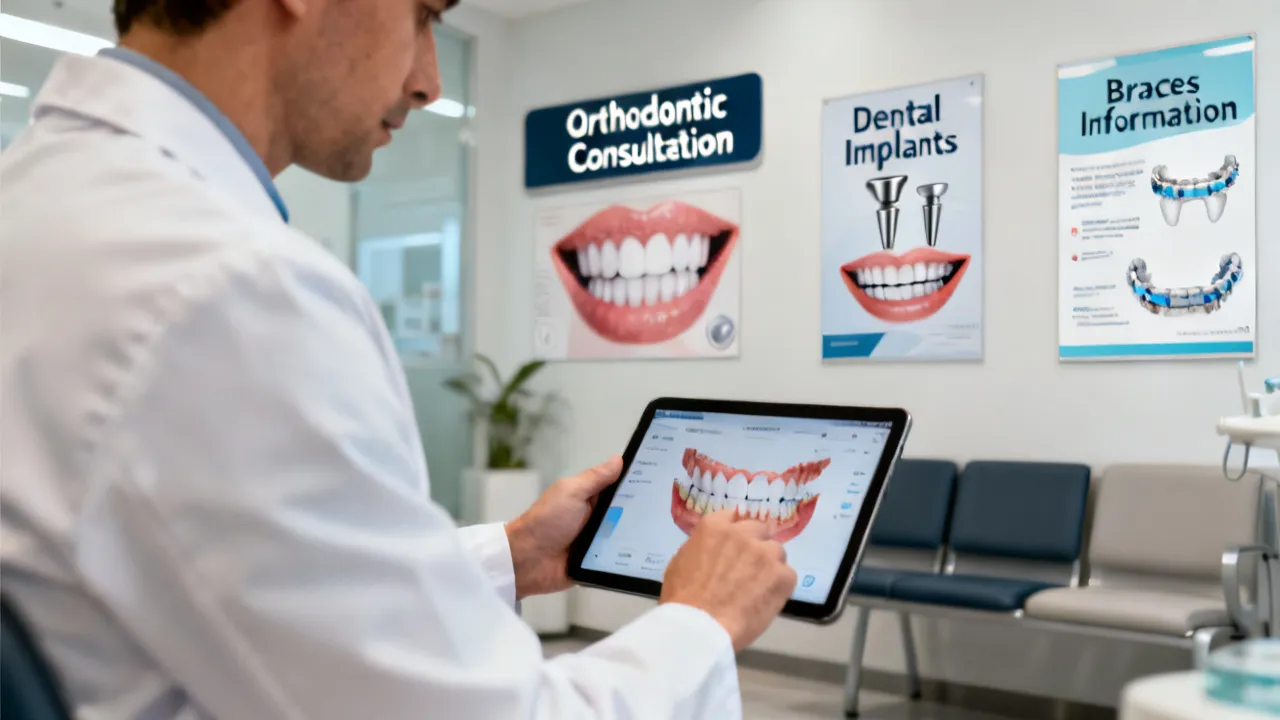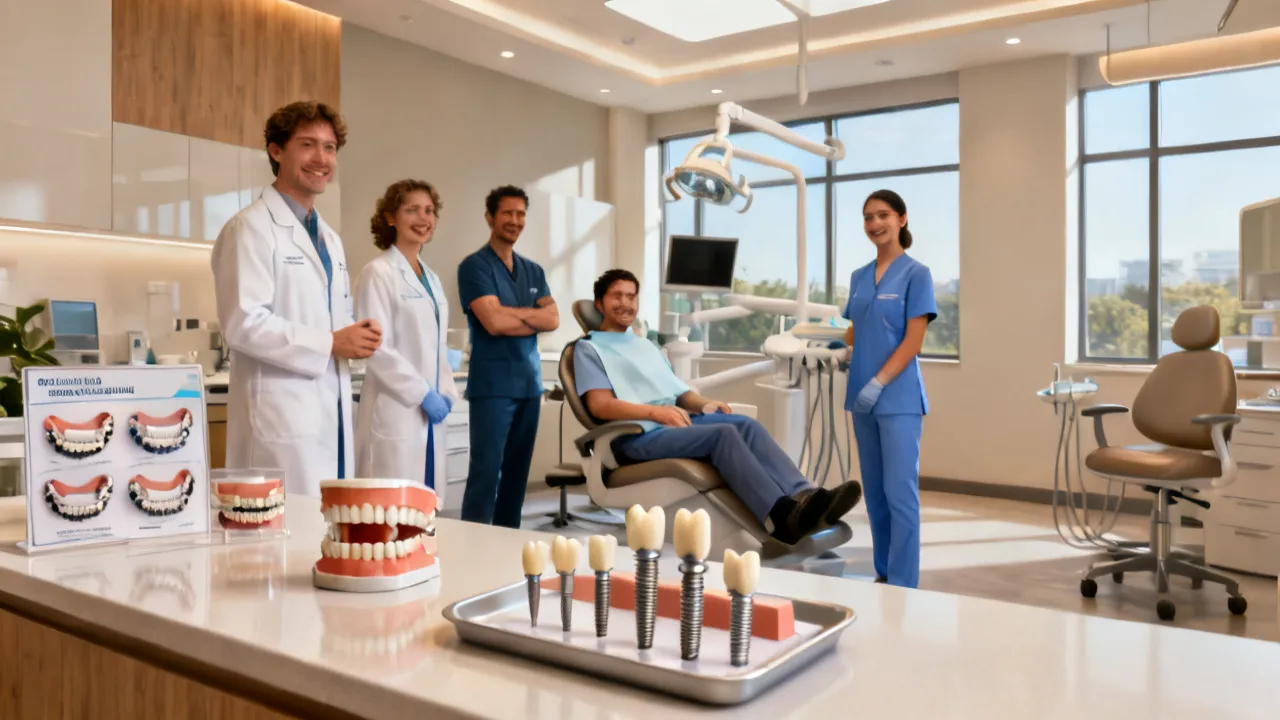
Dental Orthodontics Near Me: Expert Guide to Choosing Care
This guide explains how to find trustworthy Dental Orthodontics Near Me, what orthodontic care typically involves, and how to evaluate clinics objectively. It also compares low-cost dental implant information from selected resources, outlines practical steps to reduce implant costs in English-, Spanish-, and Portuguese-speaking regions, and provides reference implant price ranges by country.
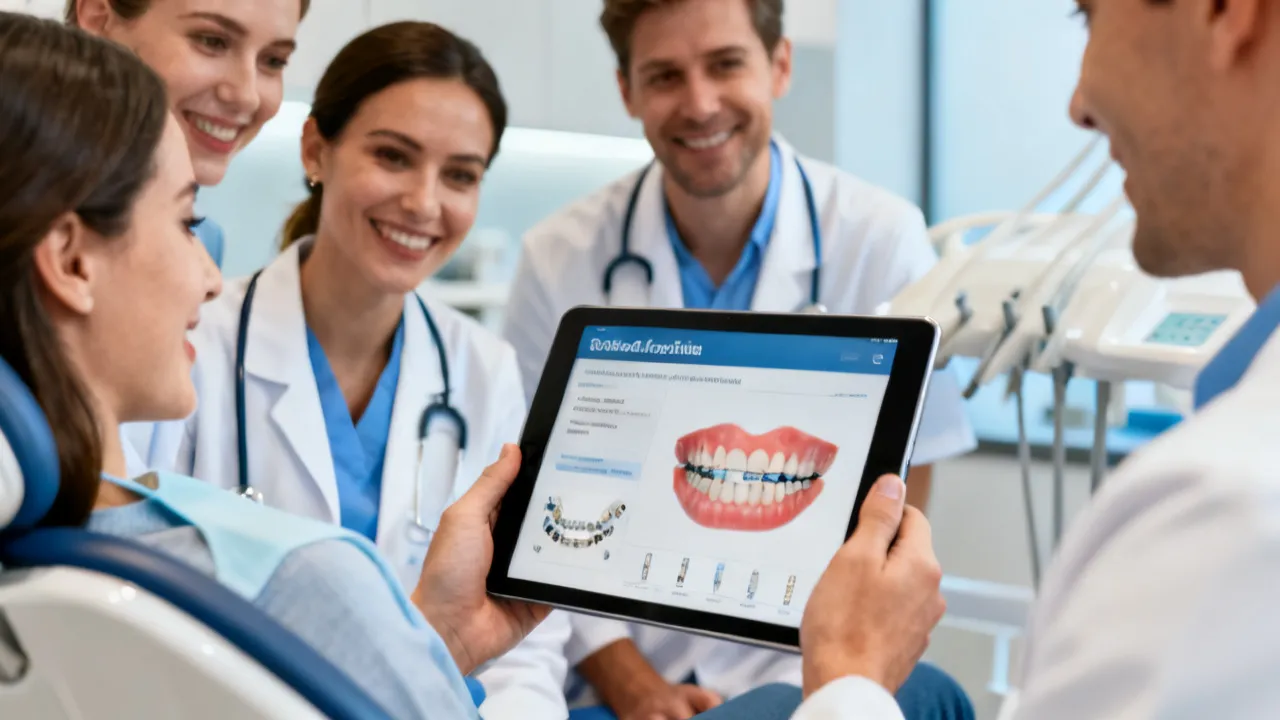
1) Finding the right “Dental Orthodontics Near Me” begins with clinical fit, not just proximity
If you’re searching for Dental Orthodontics Near Me, you’re usually looking for two things at once: reliable clinical outcomes and convenient access to appointments. From an expert perspective, the safest approach is to treat your search like a healthcare procurement decision—evaluate credentials, treatment planning quality, good maintenance, and the clinic’s ability to manage both expected and uncommon scenarios (such as discomfort during adjustment periods or complications that require prompt coordination).
Orthodontics is not only about aligning teeth; it’s a structured medical process. The plan should be individualized based on your bite, tooth roots, jaw relationship, oral health status, and—when relevant—airway and breathing considerations. A clinic that can explain these links in plain language is often a better sign than one that only markets quick results. In other words: geography matters, but clinical fit matters more.
When patients narrow choices based solely on distance, they sometimes underestimate how much orthodontic care relies on consistent follow-through. Even if the initial consultation is close to home, active treatment may require frequent visits. Retention appointments also matter. If a clinic is convenient only at the beginning but difficult to reach later—because of parking, wait times, limited availability, or scheduling constraints—you may end up missing visits that are important for progress and stability.
Clinical fit, however, is broader than just “Are they orthodontists?” It includes whether the orthodontist actually leads your care plan, how they explain diagnostic findings, and how they handle risk factors that influence outcomes. For instance, periodontal health (gums) can determine how safe certain tooth movements are. Tooth root positioning can influence whether specific movements are possible without compromising root health. Bite issues can affect how teeth erupt and where forces will concentrate. A practice that can connect these factors to your personalized plan is more likely to deliver results that hold up over time.
As you refine your search, consider a simple question: “If my case doesn’t behave like an easy textbook case, how would this clinic respond?” Orthodontic treatment is dynamic. Teeth move at biological rates; patients vary in bite patterns, root morphology, and compliance. A high-quality clinic should have a plan for how it will monitor and adjust treatment when progress is slower than expected, when discomfort is higher, or when bite relationships need refinement.
2) What orthodontic care typically includes (and why this affects your clinic choice)
Very orthodontic treatment programs, regardless of the specific appliance type, follow a similar workflow:
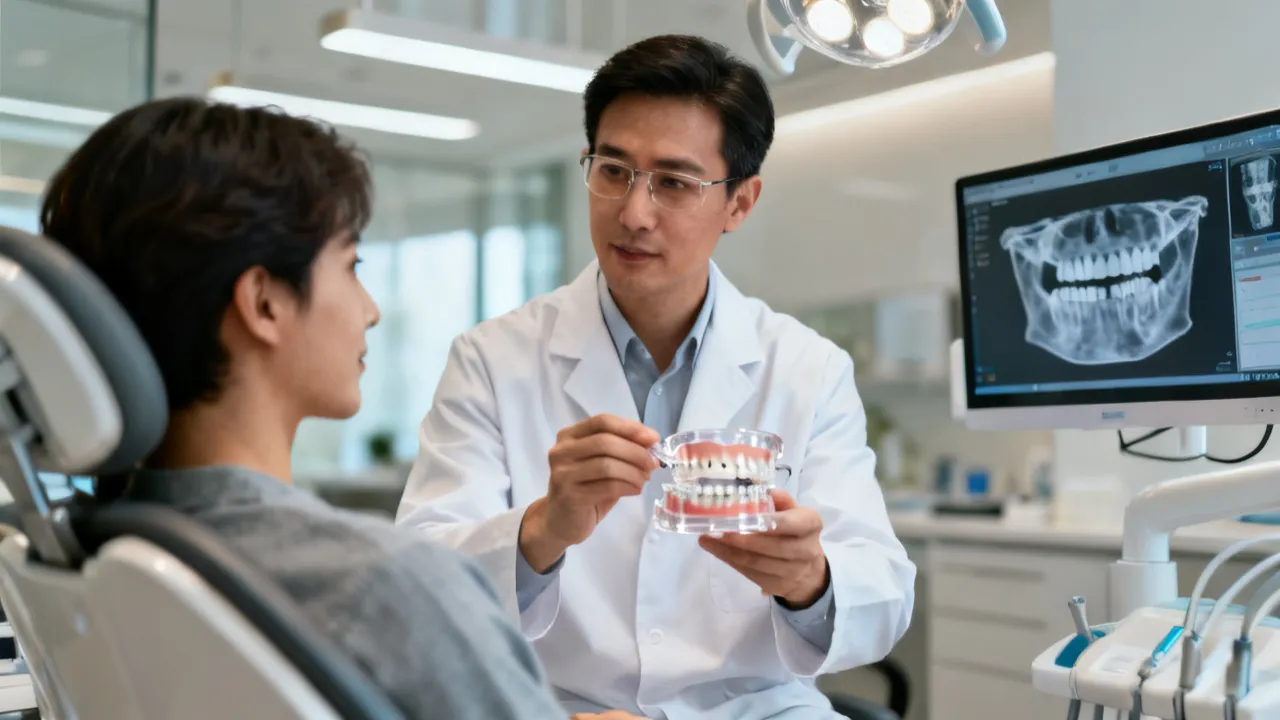
- Comprehensive examination: clinical exam plus diagnostic records such as photographs, intraoral scans or impressions, and imaging (commonly panoramic and cephalometric radiographs).
- Diagnosis and treatment planning: the orthodontist designs a plan addressing alignment, occlusion (bite), functional goals, and stability.
- Appliance placement and activation: braces or aligners may be adjusted on a schedule. The timeline varies by case complexity.
- Progress monitoring: periodic checks to confirm tooth movement is tracking as expected.
- Retention: retainers and follow-ups protect results after the active phase.
When you compare clinics near you, ask whether their process is consistent and transparent. If a clinic emphasizes marketing claims but can’t describe diagnostic steps clearly, you may want to keep looking. A helpful clinic doesn’t just “collect records”—it uses those records to explain the “why” behind the plan.
To further evaluate orthodontic process quality, it helps to understand what “good orthodontic records” are meant to accomplish. Photographs show tooth alignment, midline position, smile aesthetics, and bite relationships. Intraoral scans/impressions allow measurement of tooth positions and can support digital planning for aligners. Panoramic images can reveal tooth development, missing or impacted teeth, and overall jaw anatomy. Cephalometric imaging helps interpret skeletal relationships—how the upper and lower jaws relate—and can influence mechanics selection. Together, these records help predict how teeth and jaws may move and what stability risks exist.
Also consider whether the clinic uses a structured approach to monitoring. Monitoring isn’t just “see you next month.” Ideally, the orthodontist reviews progress relative to expected movement, checks for bite alignment, evaluates root and periodontal responses when feasible, and confirms that appliances are functioning as intended. For aligners, it includes verifying tray seating, tracking refinement needs, and whether elastics (if used) are being worn as prescribed. For braces, it includes assessing archwire progression, bracket integrity, and whether force levels need adjustment.
Retention is a major differentiator among clinics because retention is often where “good enough” outcomes fade. A clinic that provides a retention plan as an afterthought may not prioritize long-term stability. Retention should align with your original case, your growth history (for younger patients), your risk of relapse, and your habits. Ask what retention options are available (e.g., removable retainers, fixed retainers, and how they are worn or maintained) and how the clinic will track stability over time.
Finally, clinic fit includes how they manage discomfort and common issues. Orthodontics involves predictable sensations: pressure when appliances are activated, tenderness on teeth, and occasional soreness in jaw muscles. But unexpected problems—broken brackets, damaged wires, lost aligner trays, sharp appliance edges, excessive pain, or symptoms suggesting an infection or severe bite complication—need a clear pathway. A clinic that offers easy guidance for troubleshooting and provides a responsive approach to urgent issues can significantly improve your overall experience.
3) Orthodontics vs. implants vs. general dentistry: know where responsibilities change
Many patients searching Dental Orthodontics Near Me also encounter implant-related questions. It’s useful to distinguish the categories:
- Orthodontics: tooth movement and bite correction. Appliances guide teeth and sometimes prepare conditions for future dental work.
- Dental implants: tooth replacement via surgical placement of an implant into bone and subsequent prosthetic restoration.
- General dentistry: prevention and basic treatment such as cleaning, fillings, periodontal care, and emergency services.
Clinics may offer multiple services, but your treatment should still be led by the right specialists. In complex cases—such as patients missing teeth, having periodontal disease, or needing restorative work before orthodontics—the clinic’s care coordination quality matters.
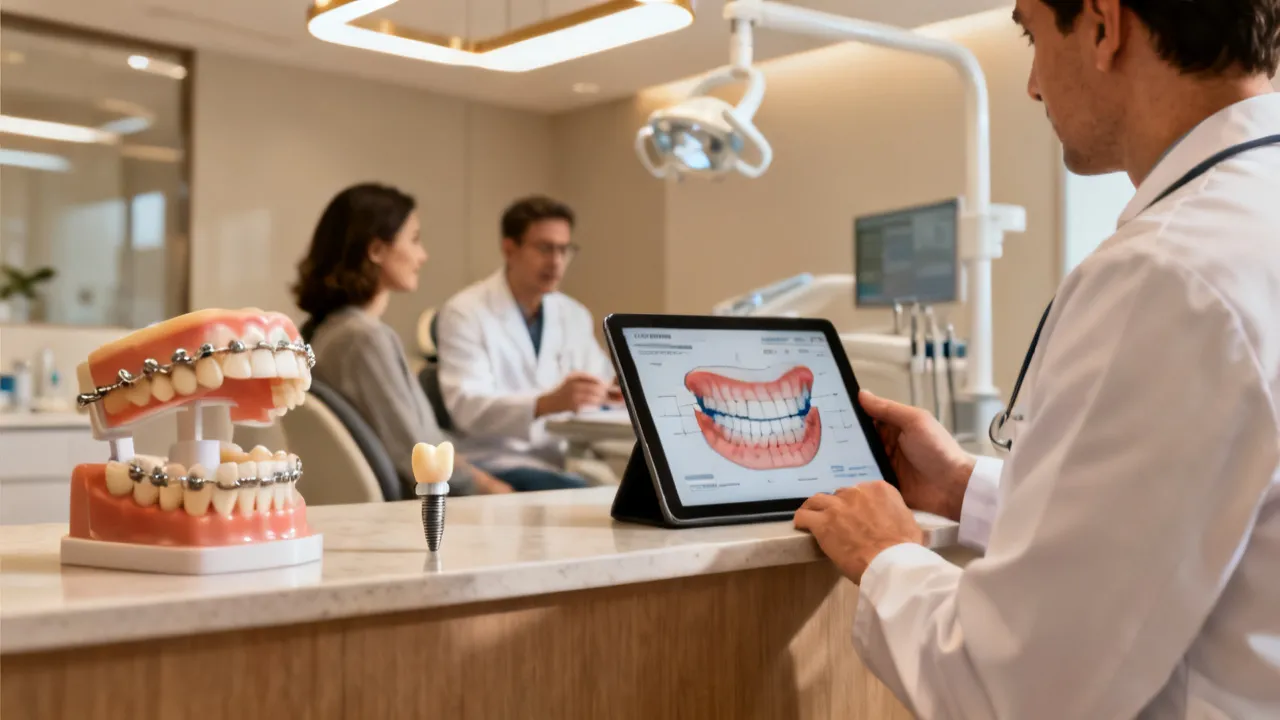
A key point for decision-making is understanding that orthodontics changes the environment around teeth. That can affect restorative dentistry planning. For example, if you need crowns or bridges, changing tooth position can alter spacing and bite contact patterns, which may influence crown margins and occlusal adjustments. If you’re considering implants, orthodontics can sometimes create better space for replacement teeth and improve aesthetics, but it can also delay or complicate timing if implant planning isn’t coordinated.
Conversely, implants can affect orthodontic decisions too. Missing teeth create gaps that may allow adjacent teeth to drift or shift. If an orthodontist plans to close gaps, open space, or control tooth inclination, having an implant plan already matters. A well-coordinated care team considers both orthodontic tooth movement and the long-term goal of replacing missing teeth with appropriate prosthetics.
General dentistry is not separate from orthodontics—it’s foundational. Orthodontic appliances make plaque control more challenging. If you already have cavities, gum inflammation, or active periodontal disease, the orthodontist and general dentist should address oral health before or during treatment. Poor gum health can increase risks such as inflammation, reduced stability, and in certain cases compromised tooth movement tolerance. If the clinic offers both orthodontics and general dentistry, it should still show a clear division of responsibilities and ensure that periodontal risk is actively managed.
When you speak with a clinic, ask: “Who is responsible for my periodontal health during orthodontic treatment?” A strong practice should clarify whether the orthodontist monitors gum status and whether periodic dental cleanings are scheduled with a partner general dentist. This matters because orthodontic outcomes rely on both mechanical planning and biological health.
4) How to evaluate a clinic objectively (practical checklist for “near me” searches)
Use the following criteria during phone calls, online chats, or in-person consults. Aim for consistent answers, not pressure.
- Licensure and specialization: confirm orthodontic credentials and whether the orthodontist is the primary decision-maker.
- Diagnostic transparency: ask what records are required and why (e.g., scans vs. impressions; imaging needed to evaluate bite and root position).
- Treatment options: learn what appliance systems they commonly use and how they decide between them.
- Retention plan: ask what retention method is recommended and what follow-up schedule is included.
- Emergency responsiveness: inquire about how they handle broken brackets, lost aligners, or urgent pain concerns.
- Cost structure clarity: request an itemized estimate and know whether adjustments, retainers, and follow-ups are included.
- Quality of communication: a good clinic explains trade-offs—time, comfort, compliance requirements—not just the final outcome.
To make this checklist even more objective, you can also request specifics about workflow. For example: How long do they typically take for the first records appointment? How long is the diagnostic review appointment? Will your records be reviewed by the orthodontist personally or by another team member? Will you receive copies of your records? Do they provide a written treatment plan with goals and timelines? These questions help you evaluate whether the clinic’s care is standardized and accountable.
Another objective strategy is to compare how clinics answer the “what if” questions. Examples include: What if you miss an appointment? What if you lose an aligner tray? What if your bite doesn’t track exactly as expected? A clinic that responds with a clear policy and realistic clinical steps tends to be more reliable than a clinic that simply reassures you without describing practical solutions.
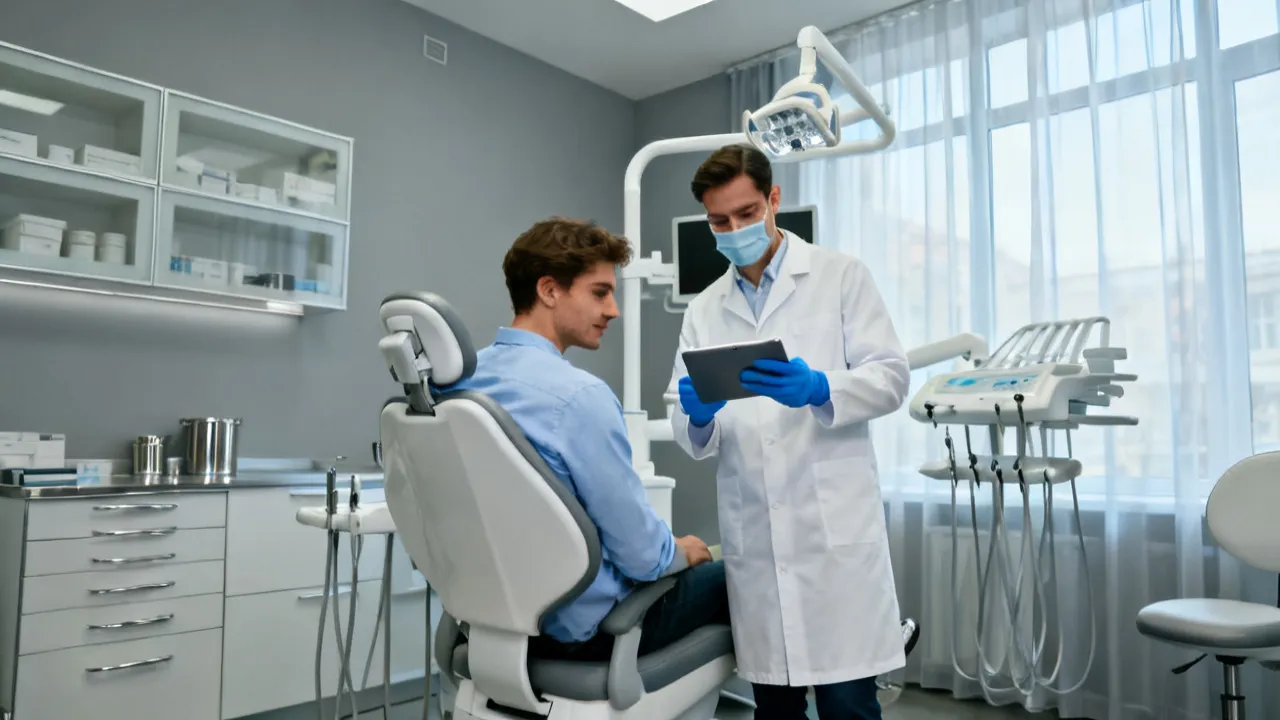
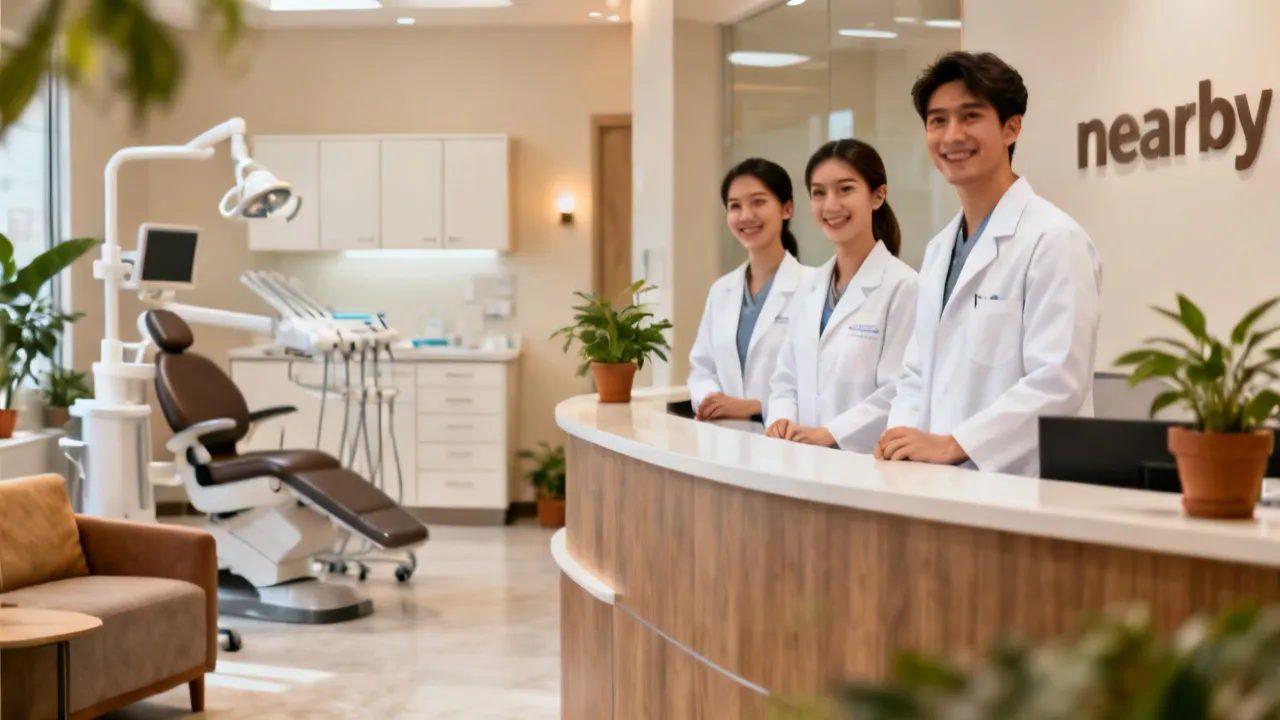
Finally, consider the clinic environment. Orthodontics is hands-on and detail-oriented. A clean, organized office with modern imaging/scan capabilities can be a positive sign, but it’s not the only sign of quality. A well-run administrative team can also be a hidden strength—helpful scheduling, clear reminders, and efficient insurance verification reduce stress and improve adherence to treatment timelines.
5) FAQs about Dental Orthodontics Near Me
FAQ 1: How do I know if I’m a good candidate for orthodontics?
Very people with misalignment, overbite/underbite concerns, crowded teeth, spacing issues, or bite dysfunction may benefit. Your orthodontist should confirm periodontal health, bone conditions, and whether additional dental work is needed before or during orthodontic treatment.
Eligibility also depends on your goals. Some patients want primarily aesthetic improvements (e.g., alignment for appearance). Others want functional improvements (e.g., reducing bite trauma, improving chewing efficiency, or correcting jaw-related discomfort). Orthodontics can address both, but a good clinic helps you prioritize what matters most and aligns the plan accordingly.
Age is another variable. Orthodontics can be done in adolescents and adults. For adults, treatment may take longer in some cases due to more stable tooth positions and may require careful periodontal monitoring. However, adults can still achieve excellent outcomes when the plan is tailored and retention is emphasized.
FAQ 2: Should I choose braces or aligners?
It depends on the diagnosis. Clinicians typically consider the complexity of tooth movement, bite correction needs, root torque control requirements, and your ability to wear aligners consistently (if aligners are chosen). Ask the orthodontist to explain why one approach fits your specific case.
Beyond complexity, aligner success depends on behavior. Patients who can reliably wear aligners for the recommended hours per day generally have better tracking. If you have a busy routine, frequent eating outside the home, or a history of missed instructions with removable appliances, braces may be a more predictable option. Conversely, if you have a professional need for aesthetics and can maintain strict hygiene and compliance, aligners may provide advantages.
It’s also worth asking about refinement and finishing. Many aligner cases require additional trays to fine-tune bite contacts and alignment. Understanding how refinements are handled and whether they are included in the overall cost can prevent surprises.
FAQ 3: Will orthodontic treatment affect my dental health good?
Orthodontics can support oral health by improving cleaning access and bite function. However, poorly planned treatment or inadequate retention may lead to relapse. A clinic with strong preventive care habits (and good retention protocols) generally offers better good protection.
Orthodontics can reduce risks associated with overcrowding by making teeth easier to clean. It can also help stabilize bite function, potentially decreasing wear on teeth. But orthodontics can introduce new challenges during treatment—such as temporary enamel demineralization risk if brushing and flossing are inconsistent, or gum inflammation if plaque isn’t controlled around brackets or attachments.
A quality clinic provides guidance on hygiene practices, may recommend fluoride strategies, and often schedules regular check-ins to monitor oral health. Ask what prevention protocols they use—e.g., whether they provide a hygiene instruction session, whether they recommend interdental brushes or specific toothbrushes, and how they manage patients who develop white spot lesions.
FAQ 4: What should be included in the overall treatment cost?
In a transparent estimate, you should expect diagnostic records, active treatment appointments/adjustments, retention (or the retainer phase), and follow-up visits. If the clinic charges separately for certain components, ask for written clarification.
Cost clarity often includes details people forget to ask. Examples include: Do you pay extra for additional imaging if you need mid-course changes? Are refinements included for aligners? What about emergency repairs for braces (broken brackets, lost appliances)? Will you need additional retainers if one is lost? How long is the warranty on the initial retainer? What costs apply if you require extra appointments due to slow progress or adjustments?
Orthodontic treatment can involve unforeseen complexity. A good estimate doesn’t mean “nothing could ever change.” It means that when change happens, you understand the likely reasons and the expected billing structure.
FAQ 5: How often will I need appointments?
Many orthodontic plans involve periodic visits during active treatment, with retention check-ins afterward. The exact schedule depends on your appliance system and progress tracking.
For braces, appointments are often spaced every few weeks to monthly intervals, depending on archwire adjustments and treatment phase. For aligners, appointments may be scheduled at similar intervals during active refinement and tray progression, with additional visits when attachments change or refinements are needed. Retention appointments are usually less frequent but still matter.
If appointment frequency is important for your life—work travel, school schedule, childcare responsibilities—ask the clinic how flexible they are. Clinics with rigid scheduling policies may create unnecessary delays. A clinic that can offer reasonable rescheduling options typically supports better adherence to treatment timelines.
FAQ 6: Can orthodontics and dental implants be coordinated?
Yes, in selected cases. Orthodontics may create space for a missing tooth replacement or align adjacent teeth before restorative steps. Implant planning can also be influenced by tooth position and occlusion goals. Coordination is particularly important when multiple specialties are involved.
Coordination can be complex and timing matters. In some cases, orthodontic treatment may precede implant placement to prepare the space and improve alignment for final prosthetic outcomes. In other scenarios, implant placement may happen first to define a stable position, and orthodontic treatment may be used for bite correction and alignment around the implant-supported tooth.
Ask whether the orthodontist and the implant/restorative provider share records and treatment timelines. Ideally, they communicate directly and align goals. A clinic that tells you “we’ll refer you somewhere” without coordinating records may not offer the level of integration you need for a smooth final result.
6) Supplement: low-cost dental implant information you may encounter when comparing “near me” affordability
Even when you start your search for Dental Orthodontics Near Me, you may come across dental implant discussions because costs can influence overall treatment choices. The resources below provide informational guidance about low-cost dental implants. They are not a guarantee of clinical quality; they are meant to help you understand the range of approaches and what questions to ask.
It’s common for patients to experience “budget compression” when multiple needs exist—orthodontics plus missing teeth, periodontal concerns, or restorative work. When you’re comparing affordability, you may encounter the idea that implants can be obtained at lower cost in certain clinics or in certain regions, including via international treatment pathways.
Because pricing approaches vary widely, it’s important to interpret “low-cost” as a starting point for questions, not as a promise of value. For example, a lower quote might mean the clinic uses a particular implant system, changes the prosthetic materials used for the crown, or offers fewer follow-up visits included in the initial package. Alternatively, it could reflect operational efficiency or a different pricing model. Without itemized documentation, it’s hard to know whether a quote is “cheap” because it’s efficient, or “cheap” because it excludes essential components.
When you compare services, aim for like-for-like comparisons: same diagnostic approach, similar imaging, comparable prosthetic planning, and defined aftercare. If the quote includes implant placement but not restoration, or includes a crown but not follow-up adjustments, your final costs can change after the procedure. A clinic that is transparent about what is included and what is not is usually easier to trust than a clinic that focuses on the lowest headline number.
| Website |
| Dental Views – Low Cost Dental Implants (overview of benefits, types of treatments, implant process, FAQs, and pricing orientation) |
| Atlantic Dental Group (clinic-oriented service information including implants and orthodontics, appointment access, and care options) |
| DentaVacation (dental tourism framing: cost comparisons and travel arrangements for lower bills) |
| ADHP via clinic insurance guidance context (insurance plan awareness and how coverage can affect expenses) |
source: [www.dentalviews.com](https://dentalviews.com/low-cost-dental-implants/)
source: [www.atlanticdentalgrp.com](https://www.atlanticdentalgrp.com/)
source: [www.dentavacation.com](https://www.dentavacation.com/)
source: [rockvilledentalarts.com](https://rockvilledentalarts.com/es/)
7) Step-by-step guide: how to get dental implants at low cost in language regions (objective approach)
The following steps synthesize common, non-controversial cost-reduction pathways. They are especially relevant if you’re also budgeting around orthodontics, because comprehensive treatment timelines can span months.
Step 1: Confirm medical eligibility before focusing on price
Implant cost reduction only matters if the implant option is medically appropriate. Ensure the clinic evaluates bone volume, oral hygiene status, and gum health. If you have periodontal disease, uncontrolled diabetes, or heavy smoking, your eligibility and timeline may change.
Eligibility is not purely a “yes/no” question. Some patients can proceed but may require preparatory therapy, such as periodontal stabilization, bone grafting planning, or improved hygiene protocols. Others may require alternative options. When you’re chasing low cost, it’s important not to skip the medical reasoning that determines whether a lower quote is safe.
Step 2: Request an itemized estimate (not just a package price)
Ask for a breakdown of surgical components, imaging, abutments, crowns/prosthetics, and follow-up care. “Low-cost” packages can sometimes omit items essential for safe completion.
An itemized estimate also helps you compare clinics fairly. If Clinic A includes imaging, surgical guides, graft materials, and aftercare monitoring in the price, while Clinic B includes only the implant and a basic prosthetic plan, then the apparent savings may not reflect true value. Look for line items that correspond to your care needs. If bone grafting or sinus lift is indicated, ask whether it is included in the estimate and what materials are used.
Step 3: Compare like-for-like implant plans
Different implant systems, prosthetic designs, and surgical complexity can create large differences in final totals. Ask what type of implant approach is proposed, and why. This is also where you should ask about mini implants vs. conventional implants if offered—your clinician should explain suitability based on your specific anatomy.
“Like-for-like” means more than just “single implant.” It means comparing the implant system type (if specified), the restoration type (e.g., screw-retained vs. cement-retained), whether the plan includes temporary teeth if needed, and whether the clinician anticipates staging (implant placement first, then restoration later). It also includes comparison of imaging and planning—such as whether CBCT scans are used for assessing bone anatomy.
Step 4: Ask what is included in aftercare
Implant success is influenced by post-procedure monitoring. Verify whether follow-up visits, restoration adjustments, and maintenance recommendations are included in the quote.
Aftercare is often overlooked when budgeting. Follow-up visits can identify early issues such as inflammation, occlusal adjustments needed after restoration, or healing concerns. Additionally, the clinic should provide a maintenance schedule and hygiene recommendations. If aftercare visits are not included, you may pay separately later—sometimes at higher rates if you need urgent visits.
Step 5: Use insurance guidance where available
In some regions and plan types, insurance or dental health plans may reduce out-of-pocket costs. For example, insurance plan information can be reviewed through resources such as ADHP-related guidance. Even if implants are only partially covered, coverage may lower overall expenses.
Insurance can be complicated. Some plans cover implant-related expenses only under certain conditions, or they cover maintenance differently than they cover surgery. Ask whether the clinic can help with pre-authorization and documentation. Also ask about what portion is covered for diagnostic imaging, graft procedures, and prosthetic components.
Step 6: Consider coordinated care delivery
Some patients reduce costs by selecting a single provider network that can coordinate orthodontics and restorative steps. The key is continuity of records and communication, not simply consolidating appointments.
Coordination can reduce rework and repeated diagnostics. For example, if you have orthodontic records and later need restorative planning, a clinic that can reuse imaging and incorporate orthodontic tooth positions into the implant plan can potentially reduce duplication. However, coordination is only helpful if records are accurate and shared with the appropriate specialists.
Step 7: If considering dental tourism, evaluate safety and documentation
Dental tourism resources—such as those framing abroad treatment savings—can reduce bills in certain scenarios. However, low price should not override risk. Confirm the clinic’s track record, clinical governance, warranty/complication pathways, and the plan for any follow-up after you return home. Also, ensure imaging and records are transferred properly.
Safety considerations include: what happens if you have persistent pain, if a complication occurs, if additional grafting is needed, or if the restoration requires remaking. Ask whether the provider offers written aftercare instructions and whether they can share imaging and clinical notes in a format your home dentist/implant provider can understand. Another safety consideration is your travel timing—some recovery stages require proximity to the provider for monitoring.
8) Location-aware context: building a sensible “nearby” strategy across languages
Many patients search locally first, then broaden their options for cost reasons. The same discipline applies everywhere: compare credentials, care pathways, and transparency.
A “nearby” strategy should also account for language accessibility. Orthodontic and implant care involve instructions you must understand—how to clean appliances, how to manage pain, when to contact the office, how to maintain retainer hygiene, and what to do if an appliance is lost or broken. When language barriers exist, misunderstandings can affect compliance and potentially outcomes.
English-speaking countries: practical points and reference resources
In English-speaking markets, patients often encounter implant-focused informational pages and general clinic services that include orthodontics. For example, resources such as Dental Views (low-cost implant information) and clinic networks like Atlantic Dental Group can help you understand typical pathways and services offered in one place. If you are using insurance-related guidance, review how coverage affects the final implant budget rather than relying on marketing assumptions.
In these markets, also consider that online content varies. Some websites are informational; others are promotional. When evaluating, focus on whether the clinic provides realistic clinical details: diagnostics, follow-up scheduling, and itemized costs. A simple “book now” may not provide the evidence you need for safe decision-making.
Spanish-speaking countries: culturally accessible communication matters
Spanish-language services can improve understanding of treatment steps, consent documentation, and post-op instructions—an important factor when language barriers may affect compliance. Clinics offering comprehensive services (including implants, whitening, cleaning, orthodontics, and emergency care) may be particularly useful for patients who prefer care explanations in Spanish.
For example, Rockville Dental Arts provides an approach tailored for Spanish-speaking patients, including implant and orthodontic service descriptions. Additionally, dental implant informational guides and clinical options may be available through global health insurance knowledge centers in Spanish.
Beyond language, cultural comfort can influence adherence. Patients who feel understood are more likely to ask questions and follow instructions. Ask how the clinic handles written consent and post-operative instructions: do they provide translated documents, and do they allow time for questions?
If orthodontics is also planned, ensure the clinic can communicate hygiene guidance clearly. Braces and aligner instructions include details that affect results—timing of wear, cleaning technique, and what constitutes an emergency. Clear communication is not a “nice to have”; it’s part of safe care.
Portuguese-speaking countries: check for network coverage and consistent aftercare
In Portuguese-speaking regions, patients may find a mix of specialized orthodontic and implant clinics, as well as dental plan providers with broad networks. For example, clinics in São Paulo and related areas can offer orthodontics, whitening, and implants, while dental plan companies may provide emergency coverage and access to a network of dentists.
When evaluating options in Brazil or Portugal, look for: (1) evidence of clinical protocols, (2) clarity on prosthetic components, and (3) documented aftercare plans—especially if costs are being reduced through promotions or network pricing.
If you’re using a dental plan network, ask whether the implant provider is in-network and what the coverage limitations are for specific implant components. If you’re also doing orthodontics, ask whether orthodontic treatment is coordinated within the same network or whether you need separate approvals. Disconnected networks can create delays in records transfer and in scheduling follow-ups.
9) Reference cost ranges for dental implants (by country, for budget planning only)
The following ranges are provided for planning context. Individual quotes depend on clinical complexity, implant system selection, prosthetic design, and follow-up protocols.
| Country | Currency | Price range (single implant) |
|---|---|---|
| United States | USD | $3,000 - $6,000 |
| United Kingdom | GBP | £2,000 - £2,500 |
| Australia | AUD | AU$3,500 - AU$6,500 |
| Canada | CAD | CA$3,000 - CA$5,500 |
| Spain | EUR | €1,500 - €2,500 |
| Chile | CLP | CLP$800,000 - CLP$1,500,000 |
| Mexico | MXN | $15,000 - $25,000 |
| Colombia | COP | $2,000,000 - $4,000,000 |
| Peru | PEN | S/ 3,000 - S/ 6,000 |
| Argentina | ARS | $80,000 - $150,000 |
| Brazil | BRL | R$3,000 - R$8,000 |
| Portugal | EUR | €1,000 - €2,000 |
| Germany | EUR | €2,000 - €3,500 |
| France | EUR | €1,500 - €2,500 |
| Italy | EUR | €1,500 - €3,000 |
| Japan | JPY | ¥300,000 - ¥700,000 |
Reference ranges are helpful for planning, but they don’t replace clinical evaluation. In real cases, the final cost can vary because of bone quality, the need for grafting, the presence of sinus anatomy considerations, and restoration complexity. If you are also coordinating orthodontics, the timeline and sequencing can influence how many visits you’ll need for full treatment completion.
10) Common decision points when you’re balancing orthodontics and affordability
Because orthodontic treatment can require ongoing visits, “low cost” should be evaluated for stability and completeness. Consider these decision points:
- Scope completeness: does the estimate include retainers and retention checks?
- Progress monitoring quality: are adjustments scheduled and based on diagnostic review rather than only routine check-ins?
- Oral health prerequisites: gum health and cleaning regimens should be addressed—especially if you’re also considering implants later.
- Specialist integration: if restorative work (crowns, bridges, implants) is needed, coordination reduces rework.
Another affordability decision point is the cost of “maintenance work.” Even when orthodontic treatment is successful, retainers require maintenance and eventual replacement. A clinic’s willingness to plan for long-term retention matters for total lifecycle cost.
Also evaluate how the clinic handles compliance-dependent outcomes. For example, aligner treatments often depend on consistent wear. If you frequently remove aligners for extended periods or struggle with tray hygiene, the clinic may need extra revisions. Ask how they handle revision trays and refinements—are they included, or are they additional charges? Braces treatments depend on appointment attendance and bracket integrity, so the clinic’s emergency repair approach can affect both cost and treatment duration.
Affordability isn’t only about upfront cost; it includes the cost of time, travel, missed work, and stress. If the clinic’s hours don’t match your routine, you might experience delays that lengthen treatment duration. A clinic with a realistic scheduling policy can reduce the hidden cost of treatment.
11) How to ask better questions during your first orthodontic consultation
To make your “Dental Orthodontics Near Me” search more efficient, bring a short question list:
- What records do you require and what imaging do you use?
- How do you define success for my specific case (alignment, bite, function, stability)?
- What retention strategy will you recommend, and what is the expected follow-up duration?
- What costs are included in the overall plan, and what costs could change during treatment?
- What is your approach if the treatment needs adjustment due to slower tooth movement or bite tracking changes?
- If I need restorative work, how do you coordinate with implant or prosthetic providers?
To go one step further, ask one behavioral and one risk-management question. Behavioral: “If I have trouble wearing removable appliances consistently, what are the options to keep treatment on track?” Risk-management: “What problems require urgent attention, and how quickly can I be seen if they occur?” These questions reveal whether the clinic supports you as a real person with real-life constraints and whether they have a safety-oriented workflow.
Another practical question is about communication. Ask whether progress photos are taken, whether you receive periodic updates on expected timelines, and whether you can access your records or treatment plan through a patient portal or printed reports. Transparency helps you feel confident and reduces uncertainty during the months of active treatment.
If you have a history of dental anxiety, ask about comfort strategies. Orthodontics involves repeated small discomforts. A supportive clinic may offer methods to reduce stress during visits—clear expectations, pacing, and options for pain management guidance.
12) Industry-responsible notes: avoiding overly optimistic or exaggerated promises
When looking for orthodontics locally, be cautious of guarantees that imply outcomes without diagnostics. Similarly, with implant pricing and “low-cost” offers, be careful about quotes that omit key components (or that do not clearly state what happens if complications require additional care).
From a professional standpoint, the top way to reduce risk is to obtain: (1) a written treatment plan, (2) itemized costs, and (3) clarity on aftercare and follow-up. That discipline typically leads to more predictable outcomes and fewer surprise expenses.
It’s also wise to evaluate marketing language critically. Terms like “fast,” “painless,” or “guaranteed straight teeth” are sometimes used loosely. Straight teeth and predictable bite outcomes still depend on biology and consistent mechanics. Pain expectations can be managed, but no clinician can guarantee zero discomfort throughout treatment. Stability can be improved with retention, but it cannot be guaranteed without following retention protocols. Treat marketing claims as prompts to request clinical explanations rather than as conclusions.
When clinics are responsible, they connect promises to measurable processes: diagnostic records, documented treatment steps, defined retention plans, and follow-up schedules. They acknowledge potential variations in timelines and explain what factors influence outcomes. That kind of transparency is not a weakness—it’s a sign of clinical maturity and patient respect.
Disclaimer
1) The above information comes from online resources, and the data is as of October 2023. 2) Dental implant prices are for reference only and may vary by region, clinic and doctor.
Reference links
- https://dentalviews.com/low-cost-dental-implants/
- https://www.atlanticdentalgrp.com/
- https://www.dentavacation.com/
- https://rockvilledentalarts.com/es/
- https://www.cigna.com/es-us/knowledge-center/guide-to-dental-implants
- https://unioncityminidentalimplants.com/es/
- https://www.rubiodonto.com.br/
- https://odontologiavelasco.com.br/
- https://dentalvidas.com.br/