Trinity Courtyard: A Practical Guide for Visitors
Trinity Courtyard is a distinctive destination shaped by thoughtful design, walkable atmosphere, and courtyard-style amenities. This guide explains what the term typically refers to, how such spaces are evaluated in heritage-and-hospitality contexts, and what visitors should consider for an efficient visit. It then adds a supplement section with conditions, step-by-step planning, and a comparison table for decision-making.
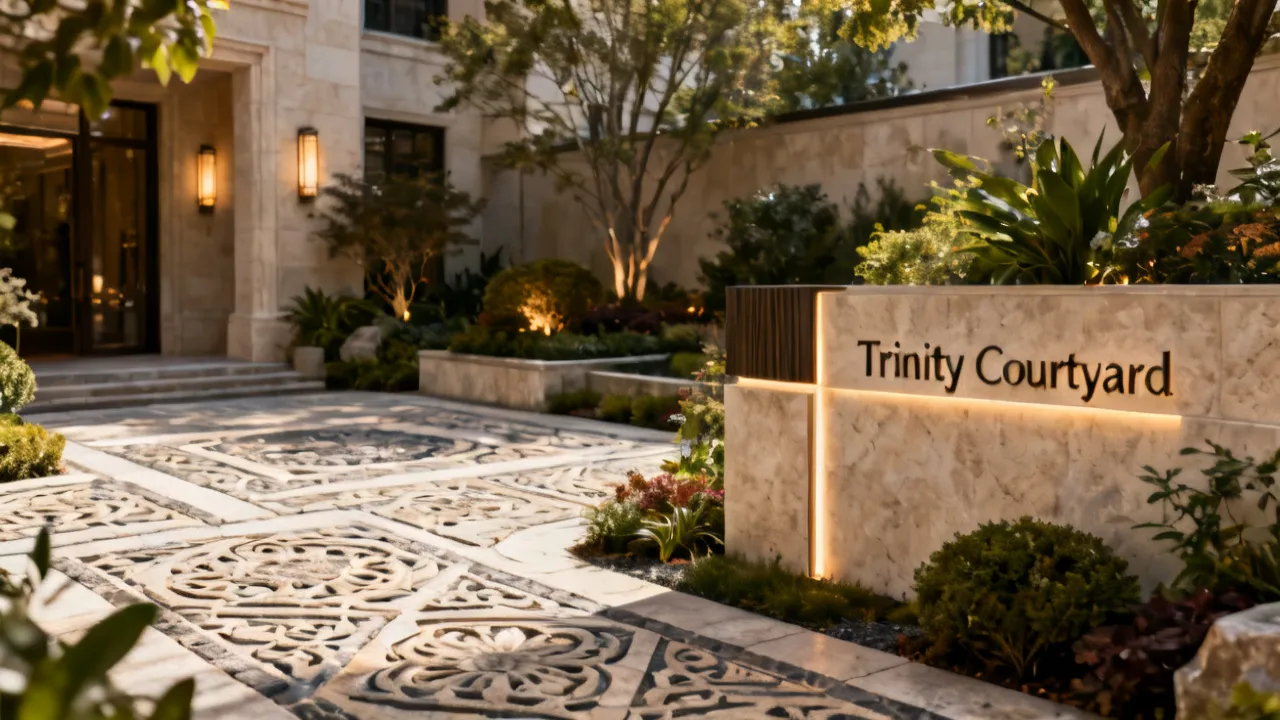
Trinity Courtyard at a Glance—How to Plan a Smooth Visit
If you’re looking for a calmer, more “walkable” destination experience, Trinity Courtyard is worth exploring—especially when you care about atmosphere, site layout, and visitor flow rather than just one-off attractions. In practical terms, courtyard-based venues are often designed to create a gentle transition between indoor and outdoor spaces: you can linger, browse, observe surroundings, and move along clear paths without feeling rushed. A good courtyard experience typically gives you room to choose your pace—whether you want to arrive, orient yourself quickly, and then settle into a comfortable rhythm, or you prefer to wander first and plan later.
In this guide, you’ll find an objective, visitor-focused overview of what “Trinity Courtyard” commonly implies as a place concept—along with expert considerations for evaluating its layout, on-site services, accessibility, and how to make the very of your time once you arrive. Because the phrase “Trinity Courtyard” can refer to different buildings, developments, or campus spaces in different regions, the emphasis here is on practical evaluation criteria that help you assess any courtyard venue with similar design goals.
What “Trinity Courtyard” Usually Means (Conceptually and Experientially)
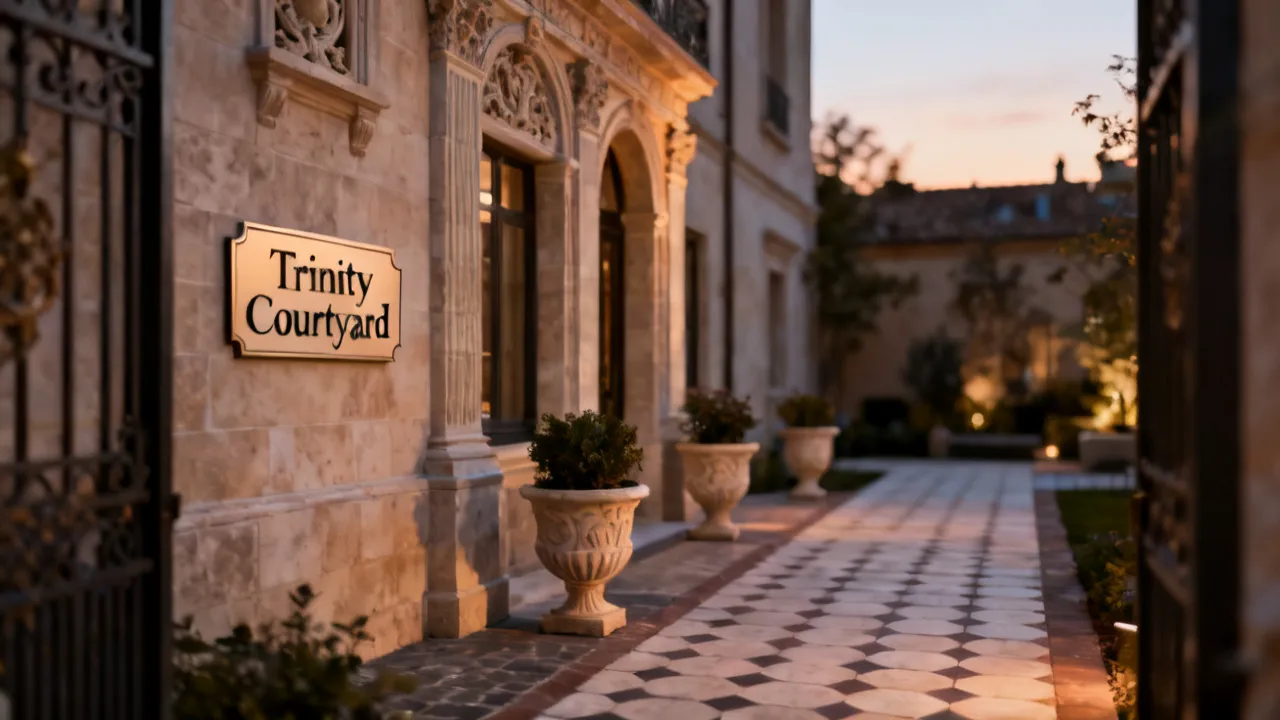
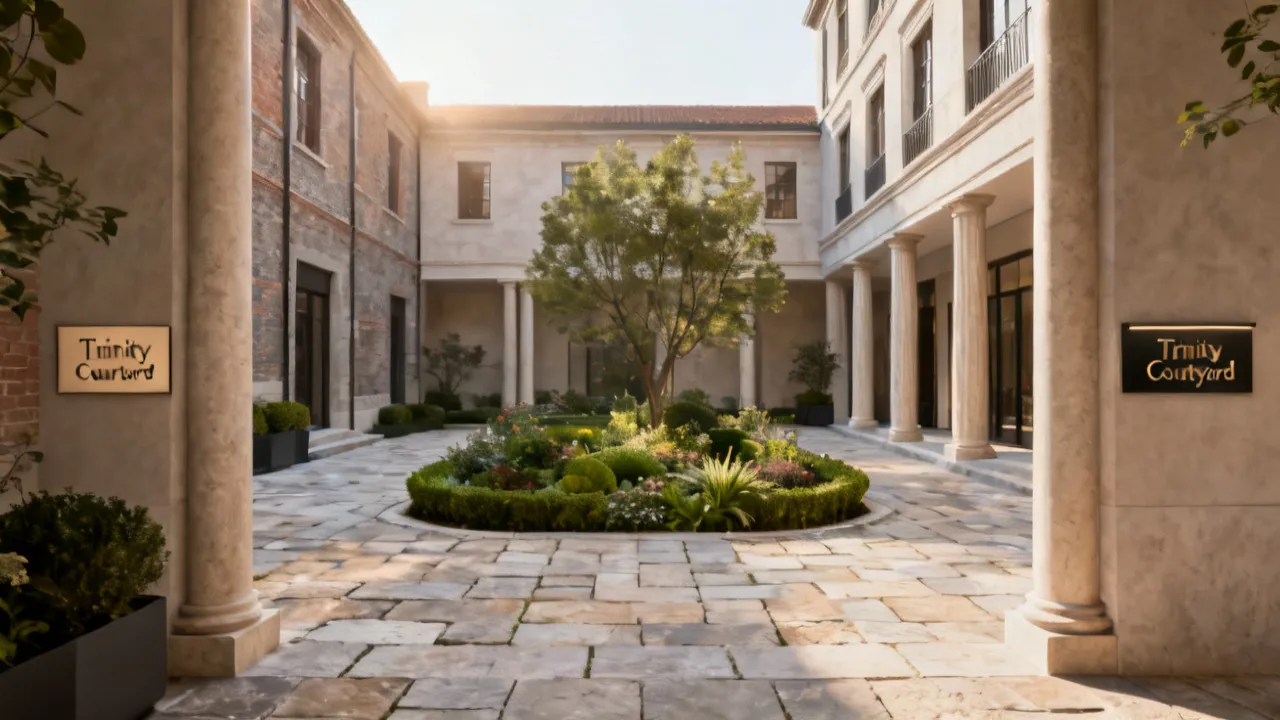
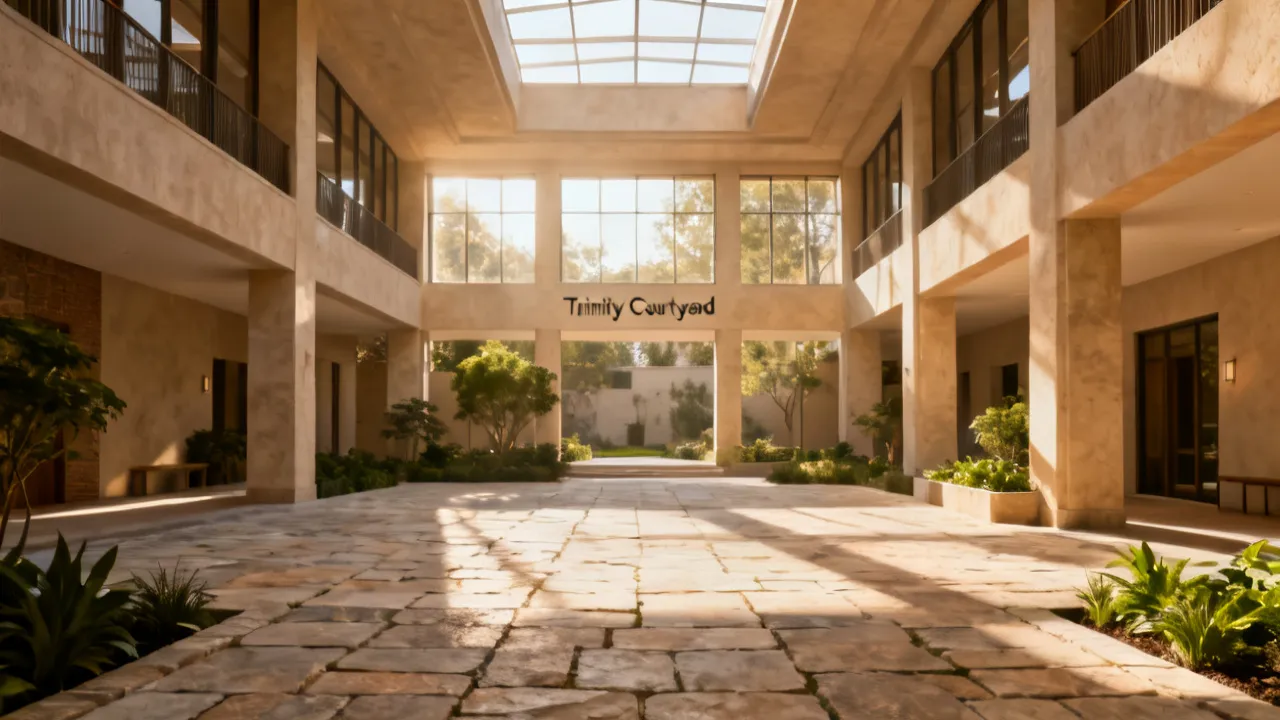
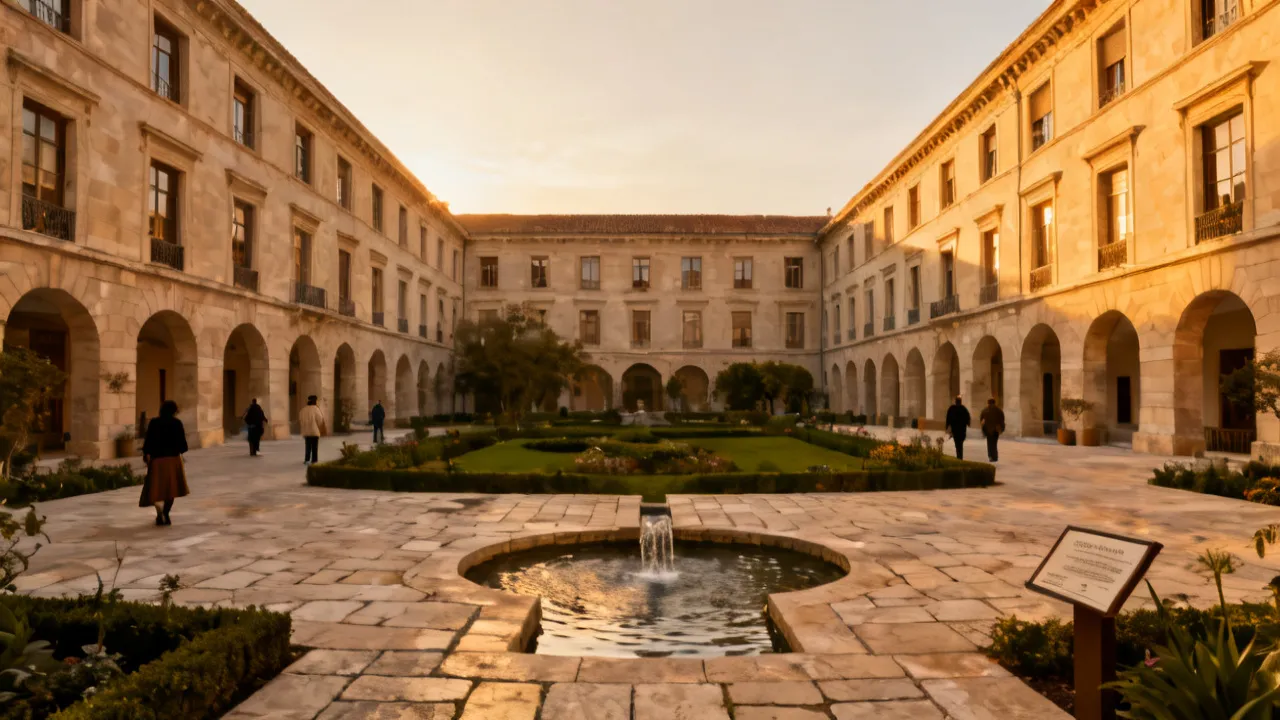
The phrase Trinity Courtyard typically describes a courtyard-centered setting associated with the name “Trinity,” which may appear in the branding of a building, a campus, a commercial development, or a community venue. Courtyard locations tend to share a few consistent traits: a defined perimeter (often with surrounding wings or structures), a central outdoor area that supports informal movement, and visual design that balances heritage or architectural cues with contemporary comfort. Even when details differ—stone versus brick, modern glass versus traditional masonry—the underlying intention is commonly similar: create a semi-private outdoor room that feels inviting while still offering a structured environment.
From an industry perspective—especially in hospitality, destination management, and built-environment planning—courtyards are valued because they reduce friction. Visitors can orient themselves quickly: the open center acts like a “natural hub,” while the edges often contain key functions such as entrances, reception areas, retail or service counters, seating zones, and circulation routes. In many courtyards, the most useful “logic” is not the literal map but the behavioral cues: where people naturally walk, where staff are located, where seating clusters form, and where the best shade or sightlines exist.
It also helps to understand that a courtyard is rarely “just outdoor.” It is usually a carefully managed interface—between interior programming and exterior enjoyment. That interface may include seasonal programming (summer markets, evening events, holiday lighting), flexible space conversion (chairs moved for concerts, extra barriers during private rentals), and sometimes controlled entry if the courtyard is part of a larger secured building or event venue. Therefore, the experience you get at “Trinity Courtyard” can vary based on the day, time, and whether there is an active program running.
Why Courtyard Layouts Matter: The Visitor Journey Perspective
Courtyard design is not only aesthetic; it can significantly influence time efficiency, comfort, and perceived quality. Professionals evaluating visitor environments usually examine more than whether a place is “pretty.” They focus on how the space reduces effort in everyday tasks: finding the entrance, reaching services, choosing where to sit, understanding which areas are public, and navigating around temporary obstacles.
When you think about Trinity Courtyard from a visitor journey perspective, consider the following areas of influence:
- Wayfinding clarity: Are pathways obvious, and can visitors find major points without confusion? Look for visual anchors—signboards, distinctive building entrances, consistent lighting, and sightlines that reveal where you’re heading.
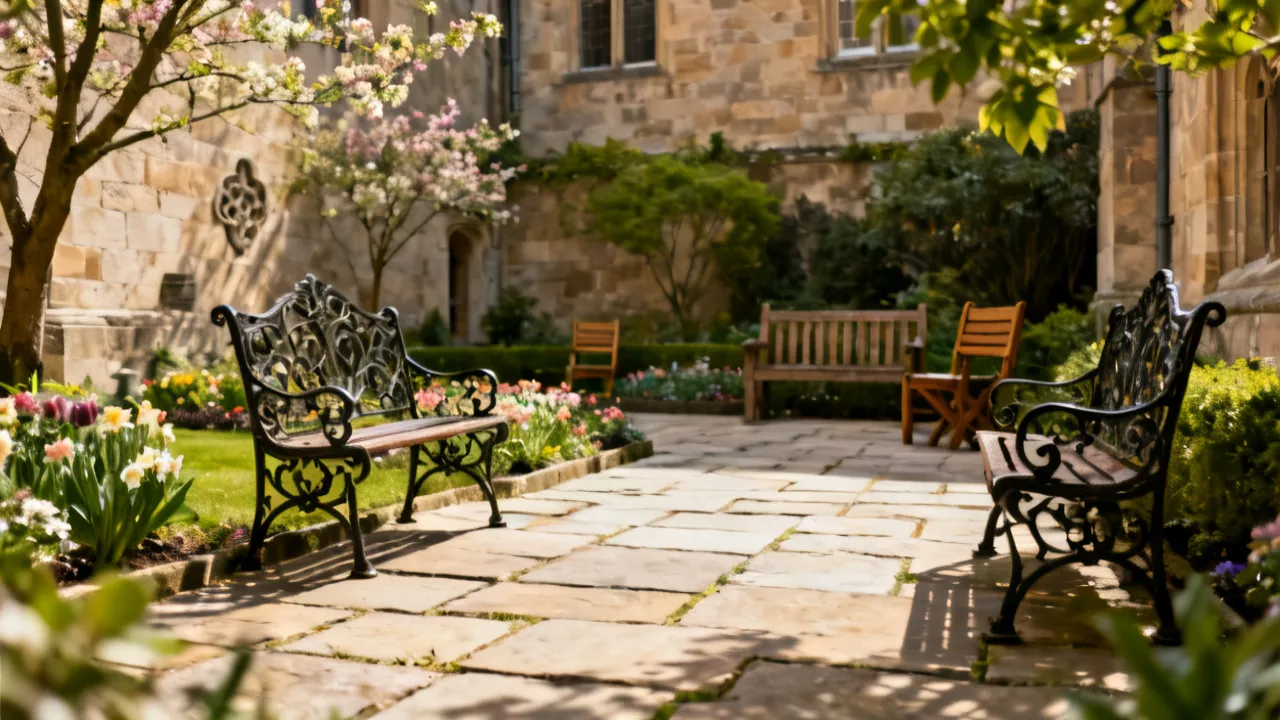
- Microclimate comfort: Shade, wind protection, and seasonal usability often determine whether people stay or leave quickly. Courtyards can feel dramatically cooler or warmer than adjacent streets due to wind channels, tree canopy, and surrounding walls.
- Flow separation: Are quiet areas buffered from higher-traffic zones? If the courtyard has both seating for lingering and corridors for continuous movement, good design ensures they don’t compete too much.
- Accessibility continuity: Are step-affordable routes available from entry to seating and key services? Accessibility is not only about a ramp; it’s also about slopes, turning spaces, restroom access, and non-slip surfaces.
- Safety and lighting: Does the space remain legible at dusk and during event hours? Lighting that reveals hazards—uneven paving, steps, edges—helps visitors feel secure.
- Congestion behavior: What happens when it’s busy? Courtyards often have “bottleneck moments” near entrances, ticket counters, food areas, or restrooms. The best courtyards have strategies to prevent crowd spillover.
- Perceived openness: Do you feel you can explore without being in someone’s way? Good courtyards offer “social space” where visitors can slow down without blocking others.
When Trinity Courtyard is executed well, it often feels “effortless”—not because it eliminates decisions, but because it supports them with clear cues. You can tell a high-quality courtyard by how little you struggle: you don’t repeatedly double back, you don’t search for bathrooms longer than you want, and you can quickly understand where to sit for comfort.
Location-Focused Considerations (Local Atmosphere and Practical Realities)
Even when “nearby” is the guiding context, courtyard venues typically reflect the local pace. In many cities, visitors expect a blend of quick check-ins and slow wandering. Locals often use courtyards as a short social pause—meeting friends, grabbing a coffee, or taking a breather between appointments. That means your experience is influenced by the time you arrive. A courtyard that feels spacious at 10:30 a.m. may feel more crowded at 5:30 p.m. when office workers spill out for an after-work break. On weekends, courtyards may become family-friendly or event-driven, changing the dominant movement patterns.
In practical planning terms, you should also consider local factors that shape your experience:
- Weather patterns: If the region has strong summer sun or rainy seasons, courtyards may rely heavily on shade structures or covered walkways.
- Typical weekend footfall: Courtyards in commercial districts may see peaks around lunch and early evening.
- Transit and parking proximity: Arrival friction affects your “first 15 minutes.” If parking is far, you may arrive more stressed and less likely to linger.
- Neighborhood context: Some courtyards are embedded within quieter residential campus settings; others connect directly to nightlife zones. That changes noise level and crowd behavior.
- Security and entry control: Some Trinity Courtyard-like venues are semi-private and may have controlled entry, which can affect spontaneity.
Courtyards are very enjoyable when you arrive at a time when you can both orient yourself and enjoy the space without crowd pressure. If your schedule is flexible, consider arriving during a “transitional calm”—for example, late morning on weekdays, or a window between typical meal rushes. If the courtyard hosts events, plan your arrival either well before the event begins (to enjoy the space freely) or after it ends (to enjoy the calmer aftermath).
Services and Amenities: What to Evaluate On-Site
Courtyards can be “open” and still highly functional. When evaluating Trinity Courtyard as a visitor, look for how easily you can complete common tasks without leaving the area. In a well-planned courtyard, you should be able to go from arrival to comfort—while keeping your “mental map” simple. You shouldn’t need to repeatedly ask staff or search for signage to handle basic needs.
When you’re on-site (or when reviewing a listing if you’re researching ahead), pay attention to these service and amenity cues:
- Seating distribution: Is there enough seating in shaded or sheltered spots? Are there choices—sun for warm days, shade for hot ones, and covered seating for brief rain? Also check whether seating is arranged for individuals as well as groups.
- Seating quality: Are benches comfortable and spaced for circulation? Are there low tables where people can rest drinks? Even small design details—armrests, back support—affect whether visitors stay.
- Service access: Are restrooms and key services reachable without long detours? Consider the “effort cost” of restroom travel. If it’s too complicated, some visitors will simply avoid staying longer.
- Restroom design: Are restrooms clearly marked? Do they have enough stalls and proper accessibility features? If you’re traveling with children or have mobility needs, restroom legibility matters even more.
- Food and beverage availability: If present, does it support quick stops as well as longer stays? A good courtyard has a way to buy something quickly (kiosk or counter) and a place to enjoy it without feeling in the way.
- Event readiness: Can the space host small gatherings without blocking circulation? Look for whether chairs and tables are modular and whether there is a designated path around setups.
- Maintenance signals: Clean paving, well-kept greenery, and functional lighting often indicate consistent operations. Uneven paving, broken fixtures, or neglected landscaping can be a sign that the courtyard is harder to navigate.
- Water and comfort aids: In many climates, hydration stations, misting fans, or accessible water fountains improve comfort. If the courtyard has trees, check whether there are convenient shade spots.
- Charging and Wi-Fi: For visitors who work from phones or tablets, the availability of Wi-Fi and charging outlets can influence whether people stay.
Industry professionals know that the “small things” are usually the top indicators of good quality. A courtyard that feels welcoming usually has fewer operational friction points: clearly visible staff or help desks, predictable hours, clean restroom access, and seating that encourages staying.
Expert View: How Operators Maintain Quality in Courtyard Venues
In the built-environment and hospitality industries, maintaining courtyard quality is a continuous process rather than a one-time design decision. Operators commonly manage both visible and invisible factors. Visitors experience the visible factors, but the invisible ones often determine whether the visible factors stay good over time.
Operators typically handle:
- Seasonal landscaping and drainage: Courtyards endure water movement and leaf debris. Effective drainage and regular upkeep protect both appearance and safety. Poor drainage can lead to puddles, slippery surfaces, and muddy edges around planter beds.
- Lighting strategy: Good lighting supports safety and usability, not just aesthetics. In courtyards, lighting often serves multiple roles: guiding visitors between entrances, creating a sense of warmth, and reducing dark corners where people might avoid walking.
- Ground-level durability: Paving materials must handle foot traffic, weather exposure, and frequent cleaning. Watch for cracks, loose tiles, or worn strips—these can create tripping hazards and reduce accessibility quality.
- Noise and crowd management: Courtyards often sit near building entries, which can amplify sound. Operators mitigate this through zoning and scheduling. They may designate certain areas for quiet seating and keep high-energy zones closer to service counters.
- Visitor communications: Clear signage, predictable entry points, and staff visibility reduce confusion. If multiple vendors operate in the courtyard, operators often standardize signage rules so visitors don’t get lost among competing branding.
- Waste management: Courtyards can accumulate litter quickly due to food sales and lingering visitors. Regular trash collection, properly placed bins, and clear recycling cues help maintain cleanliness.
- Temperature control: While outdoor spaces can’t be fully climate controlled, operators use shade structures, strategic planting, and airflow management to improve comfort. In colder climates, temporary heaters or covered areas can extend seasonal usability.
- Temporary setup choreography: When tables, tents, or stage elements are installed, operators must maintain accessible pathways. This includes ensuring that temporary barriers don’t block mobility routes or create narrow pinch points.
So, when people describe Trinity Courtyard positively, it’s rarely about one feature—it’s usually the combined result of planning, upkeep, and smooth guest flow. If the courtyard feels “easy,” that’s often because operators have rehearsed or systematized how visitors move through the space during normal and busy periods.
Price Expectations: How to Think About Costs Without Overpromising
You may encounter a range of costs depending on what “Trinity Courtyard” includes in a given context—such as events, dining, guided access, or hosted experiences. Because “price information” can vary by management, supplier, season, and booking channel, the very reliable approach is to treat costs as situational and confirm details directly through official or clearly documented channels.
As a visitor, you can reduce uncertainty by checking three variables before committing:
- What exactly is included: Admission, reservations, dining minimums, or event participation? A low headline price sometimes comes with limitations (restricted time windows, required add-ons, or limited access zones).
- Timing constraints: Time slots, cut-off times, seasonal surcharges, or different rates for peak hours. Courtyards may price differently on event nights than on quiet days.
- Cancellation and changes: Policies can materially affect the “real” cost of your plan—especially if weather or schedule changes are likely.
If the venue has multiple offerings, compare them by value rather than headline cost. That approach mirrors how procurement and customer-experience teams evaluate supplier packages—focusing on what you actually receive for the spend. For example, a package that includes a guided element, reserved seating, and a meal may feel more valuable than paying separately for a similar experience.
It’s also smart to clarify whether charges apply to the whole courtyard experience or only specific services (such as special exhibitions, certain dining experiences, or hosted programs). Many courtyard venues offer general access for free or low cost while charging for particular experiences. Your planning strategy should follow that distinction—if general access is free, you can arrive early and observe the courtyard without committing to a paid component until you’ve decided.
Supplier and Operator Dynamics: Why They Affect Your Experience
Even within a single venue name, “supplier details” can shape what you feel on arrival. For example, dining providers may differ from event vendors, and maintenance contractors may influence cleanliness schedules. In professional operations, this fragmentation is normal—what matters is coordination. Visitors often don’t care which vendor is responsible; they care whether the experience feels unified and predictable.
To interpret supplier implications responsibly, look for operational coherence:
- Consistent signage across vendors: If one area has confusing signage or conflicting instructions, visitors feel uncertain and may waste time.
- Unified restroom access and visitor rules: If different vendors enforce different rules (for example, different re-entry policies), it can create stress. Clarity is key.
- Reliable opening hours and posted guidance: Visitors interpret posted hours as a promise. If hours change frequently without notice, it reduces trust.
- One point of contact for visitor needs: If you need help, do you know who to ask? A courtyard with a clear help desk or staff presence usually feels more welcoming.
- Aligned customer service standards: Friendly staff in one area and inconsistent behavior in another can create an uneven perception of quality.
When these elements align, Trinity Courtyard tends to feel seamless, even if different teams handle different services. From a visitor’s standpoint, seamlessness means you don’t have to “translate” what’s going on. You can focus on enjoying the environment rather than interpreting logistics.
Step-by-Step: How to Plan a Courtyard Visit Efficiently
Use this practical process to make your visit smoother and more predictable. It’s designed for visitors who value planning without over-optimizing every minute. The goal is to reduce avoidable friction while leaving room for spontaneity—because courtyards are often at their best when you can respond to what you see and feel.
- Define your primary purpose: Are you visiting for atmosphere, a specific service, a meeting, or a short stroll between appointments? Your purpose determines which details matter most (for example, shade and seating matter more than event ticket policies if you’re just stopping by).
- Choose the right arrival window: If the courtyard is busiest during weekends or event hours, arriving earlier can improve comfort and wayfinding. If you’re attending an event, arrive early enough to get oriented and find your preferred seating or meeting point.
- Check entry expectations: Confirm whether you need reservations for dining, specific services, or timed access. Also check whether there is an additional entry point for certain programs or whether general entry is available.
- Plan for microclimate: Bring a light layer if evenings are cool, and consider shade availability if it’s warm. If weather is unpredictable, look for covered areas or indoor-adjacent seating so you can adapt without leaving the site.
- Follow simple wayfinding: Once inside, identify primary routes to entrances, seating, and services before exploring. This “first loop” orientation prevents later backtracking.
- Allocate time for “pause moments”: Courtyards are designed for lingering—schedule a short rest so you don’t rush through the top parts. If you’re meeting someone, build in a buffer so you can wait comfortably.
- Decide your exit strategy early: If you have a next appointment, note which exit route is fastest. Knowing your fastest path reduces last-minute anxiety when you’re already enjoying the space.
- Bring small practicality items: A reusable water bottle, comfortable shoes for uneven paving, and a small umbrella can transform your experience—especially in courtyards where you may stay longer than you expect.
Conditions and Requirements: What to Confirm Before Going
Courtyard venues often have operational rules that affect visitor experience. Confirm the following, especially if you plan a special visit or you have specific accessibility needs. Even when rules are posted on a website, it’s helpful to verify because event-day setups can change access patterns.
- Accessibility requirements: Step-affordable routes, elevator access (if relevant), and accessible restrooms. Also check whether there are temporary changes during events.
- Photography or event policies: Some courtyards restrict photography during private functions or have designated areas for filming. If you’re planning content creation, ensure you understand rules about tripods or lighting.
- Food and beverage constraints: Whether outside food is permitted or if only specific vendors operate on-site. Even “no outside food” policies can vary by whether they allow sealed items or baby food.
- Weather contingencies: If rain affects seating or certain areas, clarify whether covered sections exist. Many courtyards offer sheltered transitions, but it’s best to confirm rather than assume.
- Peak-time etiquette: If the space hosts gatherings, expect crowd flow changes. Courtyards can become directional funnels with temporary roped-off lanes.
- Pet policies: If you’re traveling with an animal, confirm whether pets are allowed and whether there are restrictions on seating or leash requirements.
- Dress or behavior expectations: Some venues have an ambiance that encourages a particular style of attire, particularly if there is a café, a theater component, or a premium event space.
Confirming requirements ahead of time turns a “maybe” trip into a confident plan. It also improves fairness: when visitors know rules, they are less likely to accidentally conflict with staff operations or other guests’ expectations.
Comparison Table: How to Decide Between Typical Trinity Courtyard Offerings
The table below compares common courtyard-venue options. It is structured to help you make decisions without relying on assumptions about exact pricing or inventory. Adjust selections based on what’s actually offered on your visit date. Because courtyards can host multiple formats, this table is designed to help you think in terms of visitor needs and the likely operational implications.
| Visitor Need | Courtyard Option Type | What You Usually Gain | Key Conditions to Check |
|---|---|---|---|
| Quiet time and walking | Open courtyard browsing (general access) | Flexible pacing and low-pressure exploration | Verify opening hours and any event-day access limits |
| Planned experience | Hosted program (guided or scheduled) | Curated context and a smoother itinerary | Confirm time slots, meeting points, and cancellation terms |
| Food and social pause | On-site dining or kiosk service | Convenience and atmosphere pairing | Check operating hours, reservation requirements, and dietary handling |
| Event atmosphere | Private or semi-private courtyard hosting | More structured ambience and dedicated staff support | Ask about noise rules, seating zones, and visitor entry procedures |
| Accessibility-first planning | Any courtyard access where ramps/paths are prioritized | Reduced navigation stress and easier service access | Confirm accessible routes on the day of visit, including temporary setups |
| Photography or content creation | General courtyard browsing or designated photo-friendly windows | Scenic framing and good sightlines | Review photography rules, restrictions during private events, and tripod policies |
Source Notes and Responsible Context
To keep this guide objective, it avoids unverified claims and exaggerated performance figures. Courtyard experiences are influenced by operational day-to-day reality—weather, staff coverage, event schedules, and temporary installations. Any evaluation should therefore emphasize visitor-ready criteria rather than promising universal outcomes.
For broader context on how visitor environments are evaluated—particularly regarding service quality, accessibility, and the importance of consistent operational standards—professional frameworks are commonly informed by:
- World Tourism Organization (UN Tourism): Guidance on tourism sustainability and visitor management considerations.
- International Organization for Standardization (ISO): Concepts in service quality management that support consistent delivery.
- Local accessibility regulations: Requirements vary by jurisdiction and can be enforced through building and public space codes.
If you want, tell me the city/country or the exact operator name associated with Trinity Courtyard, and I can tailor the evaluation points to the relevant local standards and typical visitor patterns. That kind of customization can help you anticipate things like typical peak times, accessibility norms, and how events are scheduled in that region.
Practical “On Arrival” Checklist for a Smooth Courtyard Experience
Even the best planning can’t account for everything—an unexpected crowd, a sudden weather change, or a temporary closure. A practical on-arrival checklist helps you adapt quickly without losing the feel of the courtyard. Think of this as a short routine you can repeat every time you visit.
- Step into the courtyard and locate three anchors: your primary entry, the main seating cluster (if you’re looking to rest), and the nearest restroom or service desk. Once you have these, the rest of the exploration becomes much easier.
- Check the “crowd temperature”: Stand at a natural viewing point for 30 seconds and observe where people are walking and where they pause. This tells you which areas are calm versus high-flow.
- Assess microclimate without overthinking: Find the best combination of shade/wind protection and comfort. If you see a lot of people gravitating to the same spots, it’s usually for a reason—comfort, not just aesthetics.
- Look for signage that clarifies rules: Whether it’s a posted policy about photography, quiet hours, queue routes, or accessible pathway details. Courtyards often use small, specific signs.
- Choose your pathway strategy: If you need to do tasks (buy food, find restrooms), choose the simplest route and stick to it. Courtyards are easy to roam—so your job is to prevent unnecessary zigzagging.
- Set your “linger plan”: Decide whether you will sit for a few minutes now or after you complete one task. If you do both at once, you avoid the situation where you rush and then feel stuck waiting in a crowded queue.
This kind of structured arrival routine often makes the difference between a visit that feels smooth and one that feels chaotic, even when the venue is otherwise well-designed.
Wayfinding in Courtyards: How to Read the Space Like a Pro
Wayfinding is more than finding signs. In courtyards, people tend to navigate by patterns: sightlines to entrances, clusters of seated visitors, and the “path of least resistance” where floors are less crowded. If you want to make your Trinity Courtyard visit feel effortless, learn to read these signals quickly.
Here are the most useful wayfinding cues to look for:
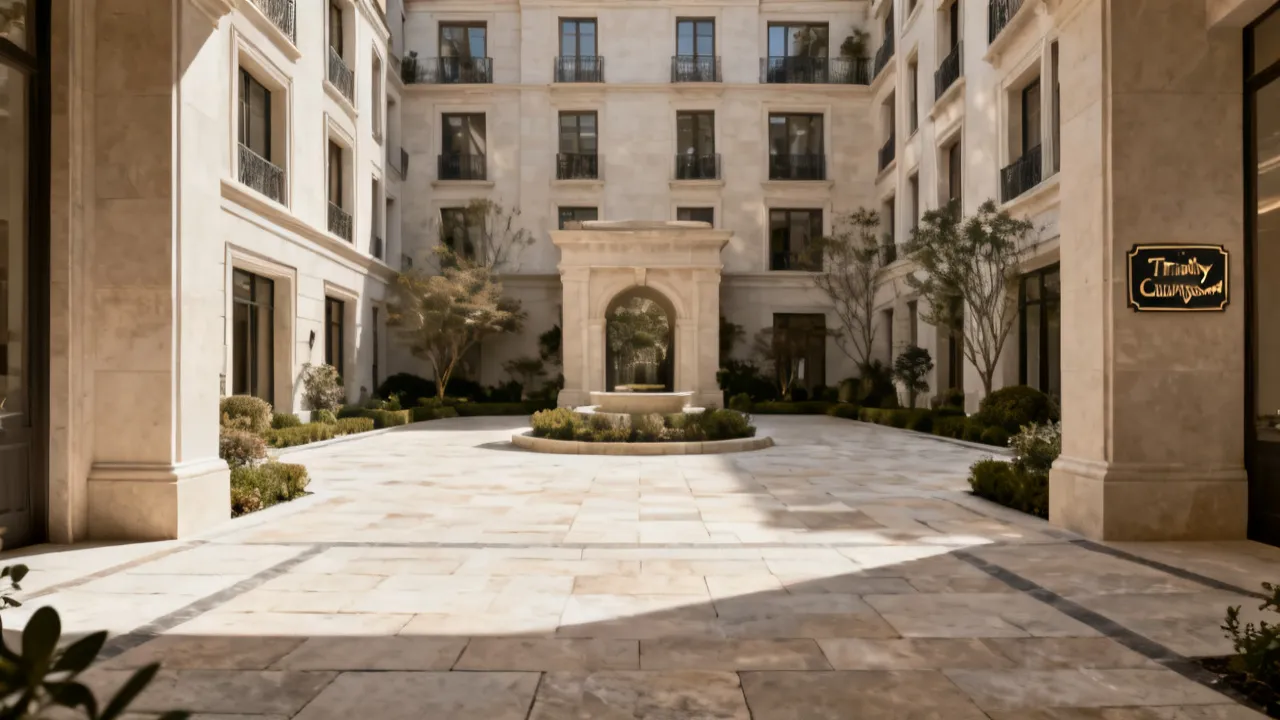
- Visual anchors: A distinct entrance, a reception desk with clear lighting, or a landmark feature like a fountain, sculpture, or prominent planter bed.
- Line-of-sight routes: If a corridor or walkway aligns visually with a service point, people often follow that. Courtyard designers often align major routes with sightlines to reduce confusion.
- Seating clusters: Seating is rarely random. Where people sit often indicates where they can stay comfortably and where they can access services without crossing busy circulation.
- Floor texture changes: Some courtyards use subtle changes in paving materials to guide visitors along safe or primary paths. If you see a different paving strip, it may be intentional guidance.
- Barriers and queue rails: During dining or event operations, roped lanes and queue markers reveal where the official flow is. Follow these rather than crossing mid-stream.
If you ever feel lost, the best approach is to return to an anchor point rather than continue exploring. In many courtyards, the anchor is the central open space or a main entrance view line. Returning to that anchor re-centers your mental map and prevents “spiral confusion.”
Accessibility Considerations Beyond “Can I Get In?”
Accessibility is often discussed as an entry question—can you get through the front door? In a courtyard venue, the real test is whether the experience remains accessible throughout your visit. A well-designed courtyard supports continuous mobility across arrival, seating, services, and exits. It also anticipates temporary changes during events.
When you assess Trinity Courtyard for accessibility, consider these additional dimensions:
- Surface condition: Courtyards can have uneven pavers, gravel edging, or wet stone after rain. Non-slip surfaces and stable paths matter for wheelchair users and mobility scooters, as well as for people using canes or walking poles.
- Turning radius and corridor width: A ramp may exist, but if the pathway becomes narrow near planters or seating, the experience may still be difficult.
- Accessible seating locations: Are there seats with appropriate height and space nearby? Do accessible seating areas have a clear path to restrooms and service counters?
- Restroom accessibility continuity: If restrooms exist, are the routes to them equally accessible? Sometimes a restroom is accessible, but the route has obstacles or steep slopes.
- Temporary event configurations: If chairs, tents, or barriers are installed, can you still access key services? Ask staff if there is an accessible route on event days.
- Wayfinding for sensory needs: Clear, consistent signage helps visitors who use visual navigation aids. For those with hearing needs, staff communication methods and lighting cues can matter.
Ultimately, accessibility improves when the venue treats it as a full visitor journey. A courtyard that feels “easy to navigate” for everyone usually implies good accessibility design practices.
Microclimate Planning: Shade, Wind, and Comfort Tactics
Courtyards are open-air spaces, but they are not uniform in temperature and comfort. Walls, trees, planters, and structural overhangs create pockets of shade and airflow. Trinity Courtyard-style venues often excel when they intentionally manage microclimate so visitors can find comfortable spots.
To plan your comfort effectively, use these practical tactics:
- Find the “shade gradient”: Shade in a courtyard rarely covers the entire space at once. Observe where shade begins and how it moves as the sun angle changes. If you’re staying longer, you may want to choose a spot that will remain comfortable for your time window.
- Look for wind breaks: Trees, building walls, and planters can reduce wind exposure. If the courtyard feels chilly, consider moving closer to these wind breaks.
- Use covered transitions: Some courtyards have covered walkways that connect entrances to seating. If weather changes, transitions keep your walk comfortable.
- Check ground heat: In hot climates, stone and pavers can retain heat. If you’re sensitive, look for seating on the cooler side of the courtyard.
- Bring the right small items: A light layer, sunglasses, sunscreen, and an umbrella can help you stay flexible without cutting your visit short.
Comfort micro-decisions are a big part of why courtyards feel relaxing. You don’t have to “endure” the space—you can select the most comfortable pocket and enjoy the atmosphere.
Crowd Flow and Queue Behavior: How to Avoid Getting Stuck
Courtyard venues may have multiple “pull points” that create crowd movement: entrances, ticket or reception desks, dining kiosks, restrooms, and event staging areas. Even when a courtyard looks spacious, these pull points can create short-lived congestion.
To avoid getting stuck in queues or bottleneck zones, consider:
- Time your tasks: Complete “necessary errands” (like restroom visits or ordering food) either shortly after arrival or during brief lulls.
- Observe directionality: When you enter, quickly note whether people move in a loop or whether most people head toward one main service point. Align your route with the natural flow.
- Use side paths when appropriate: Some courtyards have circulation routes that allow you to bypass temporary crowd clusters. Look for open lanes.
- Don’t stop mid-path: Courtyards often include signage or subtle ground cues indicating “stay” zones for seating. If you stop in the wrong zone, you might block others and create your own frustration when people squeeze around you.
- Prefer predictable spacing: If there’s a central hub, many visitors pause there, but service queues often begin near specific counters. Standing near service counters without a plan can lead to slow progress.
Good operators manage crowd flow by keeping circulation routes clear and by ensuring seating clusters are placed away from direct queue lanes. When you don’t experience crowd friction, it often reflects well-managed operations behind the scenes.
Dining and Social Atmosphere: Getting the Most From Food Options
If Trinity Courtyard includes dining or a kiosk setup, your experience can become much more memorable because food transforms a courtyard from a passing location into a destination. However, dining arrangements can also create complexity: queues, limited seating, reservation systems, and dietary accommodations.
To make dining smooth, consider these evaluation angles:
- Speed versus comfort balance: Is ordering quick and service efficient, or does it require a wait that disrupts your schedule? If it’s busy, seating may fill up quickly and you may need to wait too.
- Seating availability near food: If you order and then have to wander far to find seats, your dining experience can feel fragmented. In good courtyard designs, there’s a comfortable “dine within the courtyard” logic.
- Dietary handling: Are there visible menu options, clear ingredient labels, or staff who can answer questions about allergens? Courtyard vendors vary widely, so confirm practical details.
- Atmosphere fit: If you’re meeting friends, choose times and seating areas that are conducive to conversation. Busy event nights may be loud even if the courtyard looks pleasant.
- Payment and ordering methods: Mobile ordering versus counter service affects how smoothly you can get food. If you’re not sure, check before joining long lines.
Dining can also affect crowd flow. If a courtyard is a social hub, food queues may dominate the movement patterns. Plan accordingly: decide whether you want to prioritize food speed or the ambiance of sitting near the courtyard center.
Hosting, Events, and Private Use: How Schedules Change Your Experience
Courtyard venues are often flexible—capable of hosting private gatherings, semi-private events, seasonal markets, or community programming. When events occur, the courtyard’s visitor flow and rules may change. Even if you can access the courtyard during an event, the experience may feel more structured or more crowded.
Here’s how to manage events-focused visits:
- Look for time-based access limitations: Some areas may be reserved for event ticket holders while general visitors can only access certain edges.
- Identify event-day entrance points: Private events may require checking in at a specific door. This affects wayfinding and accessibility routes.
- Expect noise and seating changes: Music or announcements can reduce the calm ambiance. Seating may be reorganized or removed to accommodate staging and equipment.
- Plan for cleared pathways: Good operators keep circulation accessible even during setup. On the other hand, poorly managed events can create narrow paths or block routes to restrooms.
- Respect photography policies: Event nights often come with restrictions. If you want scenic photos, check whether it’s allowed and whether certain areas are off-limits.
If your goal is relaxation, the best strategy is often to visit either before an event begins or after it ends. If your goal is lively atmosphere, arriving during the event can be enjoyable—just accept that “calm courtyard browsing” may not be the dominant experience.
Weather Contingency Planning: Rain, Heat, and Sudden Changes
Courtyards are exposed, so weather matters. A high-quality Trinity Courtyard-style venue often offers contingency features that preserve comfort. But visitors should still plan proactively.
Consider these weather-related checks:
- Covered walkways and sheltered seating: Are there sections where you can sit out light rain without leaving the courtyard? Even partial coverage helps.
- Surface safety after rain: Stone and pavers can become slippery. If surfaces are not well-maintained, puddles and glare can create hazards.
- Heat mitigation: Shade structures, misting fans, and water fountains can improve comfort dramatically in hot conditions.
- Rain schedule behavior: If heavy rain occurs, does the venue close, reduce access, or redirect visitors indoors? Understanding likely behavior helps you decide whether to go on a borderline-weather day.
- Bag and umbrella policies: Some venues require compact umbrellas or limit large umbrellas in crowded event spaces.
If you’re traveling during a season with frequent rain or high heat, consider carrying a small rain layer and a compact umbrella. These items allow you to remain flexible—rather than being forced to leave if the weather becomes slightly uncomfortable.
Choosing the Right Time to Visit: A Visitor Rhythm Approach
Time selection can make or break a courtyard experience. Even a beautiful courtyard can feel less enjoyable during peak crowds or during high-conflict moments like end-of-work rushes, event start times, and dinner ordering peaks. A “visitor rhythm” approach focuses on aligning your visit with a comfortable pace.
Here are practical time strategies that work for many courtyard venues:
- Late morning (weekday): Often calmer than lunchtime, with easier wayfinding and more seating availability.
- Pre-dinner early evening (if dining exists): This can be ideal if you want ambiance without the full dinner rush. Still, watch for early event starts.
- Post-event calm: After scheduled programs end, the courtyard can return to a relaxed flow. If you don’t want crowds, this can be a smart plan.
- Weekend mid-afternoon: Many courtyards are most lively then, which is great for social atmosphere. If you want quiet browsing, you might prefer earlier or later.
When you choose a time window, consider your priorities. If your priority is seating comfort and slow walking, avoid the moments when queues form. If your priority is social energy and people-watching, peak times can be a feature rather than a bug.
How to Meet Someone in a Courtyard: Reducing the “Where Are You?” Problem
Courtyards are excellent for meeting because they provide landmarks and a relaxed environment. But they can also be confusing if everyone tries to meet at a generic description like “in the middle.” A more effective meeting approach improves coordination and reduces stress.
Try this meeting strategy:
- Agree on a visible anchor: For example, “by the main entrance” or “next to the reception desk” or “near the central seating cluster.”
- Choose a time buffer: Plan to arrive 10 minutes early if possible. Courtyards can be lively, and finding the right spot takes less time when you’re not rushed.
- Use accessibility-friendly meeting points: If one person has mobility needs, pick a meeting point with accessible pathways and nearby seating or service access.
- Confirm whether event setups change landmarks: If there’s a scheduled event, landmarks may temporarily move or become blocked. If possible, choose a meeting point that remains stable.
- Have a backup plan: If you can’t find each other quickly, choose a second anchor like “go to the restroom area” or “ask staff at reception.”
This coordination approach turns the courtyard into a reliable meeting space rather than a semi-random scavenger hunt.
Photography and Content Creation: Getting Great Shots Without Disrupting Visitors
Many visitors want scenic photos in courtyard venues because the setting naturally frames architecture, greenery, and people in a visually appealing way. However, courtyards can be busy and event zones can have stricter rules. If you’re planning photography at Trinity Courtyard, do it in a visitor-respectful way.
Here’s how to plan photography smoothly:
- Check policy: Some courtyards restrict photography during private events. Others may allow casual photography but not commercial use.
- Respect circulation paths: Avoid blocking walkways or queue lanes. Use unobtrusive positions near seating edges.
- Consider timing: If you want fewer people in the frame, arrive during calmer times. Or embrace candid street-style energy during busy hours.
- Choose the best light pockets: Courtyards often have shaded areas that create softer lighting. Use that for portraits and architectural shots.
- Be mindful of tripods and equipment: If tripods are allowed, set up briefly and avoid obstructing paths. If not allowed, use compact settings.
When you balance your photography needs with visitor flow, the courtyard remains pleasant for everyone—and you’re more likely to receive help if you need it.
Common Mistakes Visitors Make (and How to Avoid Them)
Even experienced travelers sometimes struggle in courtyards because courtyards combine outdoor variables with visitor logistics. Here are common mistakes and how to avoid them:
- Assuming the courtyard is uniformly accessible: Paving can change, and temporary setups can block routes. Always confirm the best path for your needs.
- Not doing a quick orientation loop: People who jump straight into wandering often double back and waste time. Spend a few minutes finding anchors first.
- Waiting until you’re thirsty or tired to find seating: If you want a specific vibe (shade, quiet), find it early. Seating availability can shift quickly during peaks.
- Ignoring microclimate: Courtyards can feel significantly different within a small area. If you’re uncomfortable, don’t just “endure”—move to a better pocket.
- Planning too tightly around tasks: Courtyards encourage lingering. If you schedule only a 20-minute slot for a courtyard visit, you may feel rushed and less likely to enjoy the environment.
- Not checking event schedules: Without knowing what’s happening, you might arrive and find that the central courtyard is reserved or noisy.
A little awareness prevents most problems. Courtyards reward visitors who arrive with flexibility and basic logistics planning.
FAQs About Trinity Courtyard
1) What is Trinity Courtyard, exactly?
“Trinity Courtyard” usually refers to a courtyard-based venue or property branded with the name “Trinity.” The experience typically centers on an open-air courtyard design that supports movement, rest, and visitor activities around defined paths and service nodes. In practice, the “courtyard” may be part of a larger complex that includes retail, dining, offices, or community spaces.
2) Are there different experiences within Trinity Courtyard?
Often, yes. Courtyard venues commonly support general access, dining or service counters, and sometimes hosted programs or event usage. The specific mix depends on the operator and the day. It’s common for a courtyard to shift roles during the day—from quiet browsing in the morning to social energy around meals and evening programming.
3) How should I think about price information?
Courtyard costs can vary widely based on whether you’re paying for entry, reserving a service, joining a scheduled program, or attending an event. Treat prices as context-dependent—verify inclusions (what’s included), timing (time slots), and policies (cancellations/changes). If the venue offers multiple tiers (general access versus premium seating), compare by what you receive, not just what you pay.
4) What accessibility factors should I check?
Look for step-affordable routes, accessible entrances, restroom access, and clear signage. If you have mobility needs, it’s top to confirm how pathways work on the day you plan to visit, especially if there are temporary event setups. Also consider turning space, surface stability, and accessible seating availability—not only the ability to enter.
5) Does the courtyard experience change with seasons or weather?
Yes. Courtyards are exposed to microclimate conditions. Seating comfort may vary due to shade, wind, rain coverage, and ground conditions. Checking seasonal hours and covered areas improves planning accuracy. If your visit is time sensitive, consider the forecast and plan a fallback indoor-adjacent option if available.
6) How do supplier and operator differences affect quality?
Different suppliers may manage dining, events, or maintenance. Quality tends to be highest when operations are coordinated—consistent signage, stable opening hours, and reliable restrooms and seating maintenance. Disjointed operations often show up as confusing entry points, inconsistent service timing, and unclear rules about what areas are accessible.
7) What’s the top time to visit Trinity Courtyard?
For a calm atmosphere and easier wayfinding, arriving outside peak periods generally helps. If the venue hosts events, plan your visit around the event schedule so you can enjoy the courtyard without disruption. If your goal is social energy, visiting during peak times can still be enjoyable—just expect more crowd flow and potentially louder ambiance.
8) Is it suitable for meetings or casual meetups?
Courtyard venues can be well-suited for informal meetups because the design naturally supports pause moments. However, confirm any event-day restrictions and consider noise levels during busy periods. For smoother coordination, agree on a clear meeting anchor like the reception desk or a stable central feature.
9) Can I bring a stroller or mobility device?
Many courtyard venues accommodate strollers and mobility devices if they provide step-affordable pathways and accessible routes between entrances, seating, and restrooms. The key is whether surfaces are stable and pathways remain clear during peak times and events. If you’re unsure, confirm the accessible route details ahead of time.
10) Is parking or transit access relevant for courtyard visits?
Yes. While courtyards are often pleasant once you’re inside, arrival friction can impact your mood. If parking is limited or public transit is inconvenient, you may spend more time searching than enjoying. Checking how people typically access the venue—especially during peak periods—helps you plan better.
Conclusion: Making Trinity Courtyard Work for Your Priorities
Trinity Courtyard is top understood as a courtyard experience where design, operations, and visitor flow combine to shape the overall feel of your time there. By evaluating layout clarity, service access, comfort conditions, and operational consistency, you can plan confidently—whether your goal is a quiet stroll, a social pause, or a more structured visit.
If you share the specific Trinity Courtyard property details you mean (operator name, neighborhood, or nearby landmarks you associate with it), I can refine this guide further—particularly around access patterns, typical visitor rhythms, and how to optimize your schedule for that exact setting. More importantly, I can translate general courtyard principles into a more precise plan for your day: where to arrive, what to check first, and how to adapt if crowds or weather shift your comfort zone.