Government Phone Programs and Affordable Service Options
This guide explains how to access government phone support programs in the U.S., including Safelink Wireless, Assurance Wireless, StandUp Wireless, Access Wireless, and True Wireless. It objectively reviews provider offerings, eligibility standards, and step-by-step application workflows so readers can evaluate which option fits their situation and documentation needs.

Start Here: Understand “government phone support” and choose the right provider
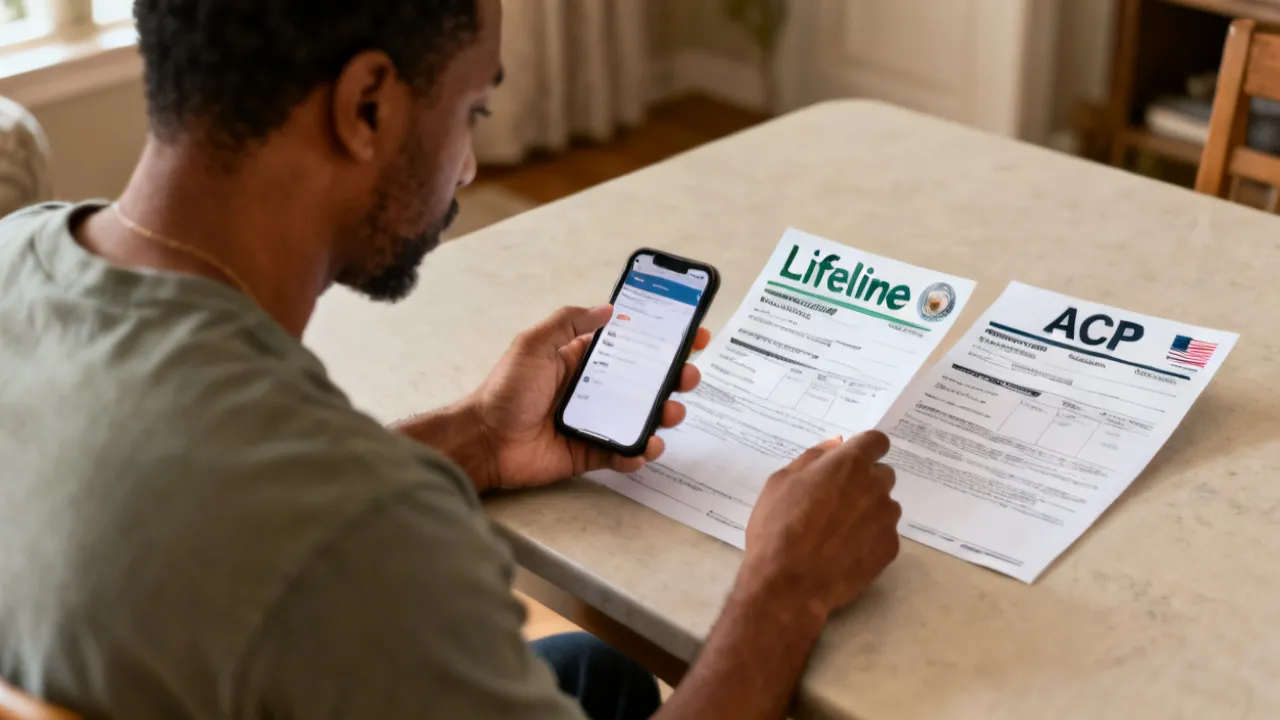
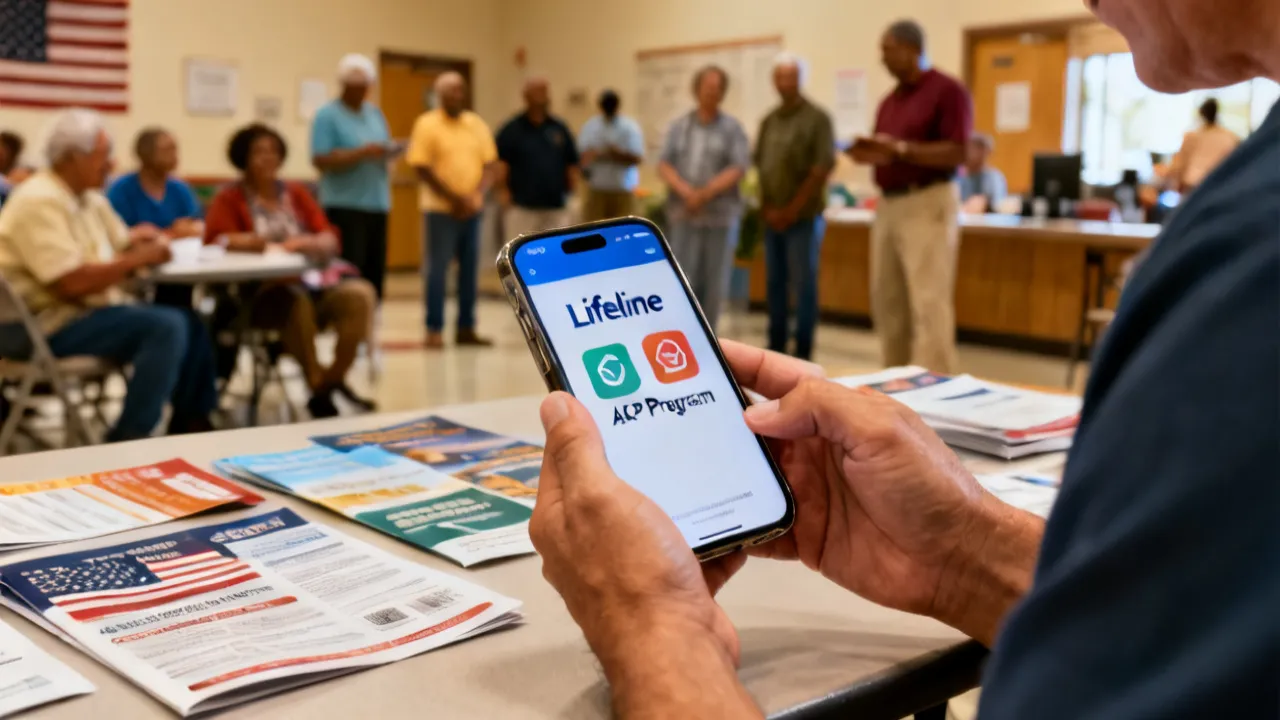
If you’re searching for Affordable Government Phone Nc, the most practical way to proceed is to treat it as a referral to U.S. government-sponsored discount frameworks—most commonly Lifeline and, in many situations depending on eligibility and the period you’re applying, ACP (Affordable Connectivity Program)–related support. These programs are designed to help qualifying households access affordable wireless service. In many cases, they may also help with a subsidized smartphone, though availability and eligibility-based device rules can vary by provider, plan, and state.
People often assume that because the phrase “government phone support” appears in search results, the experience is identical everywhere. In reality, the federal eligibility concept is consistent, but the actual user experience differs: some providers emphasize smartphone bundles, others focus more on service-only options or BYOD (bring-your-own device). Some providers have particular device catalogs, while others focus on the ability to keep a current phone. Even when the program name is the same, the details can change depending on whether you’re applying as a new customer, switching providers, requesting a device upgrade, or re-certifying after a renewal period.
From an industry perspective, the workflow tends to follow a predictable structure. Coverage networks, verification approaches, and documentation requirements often align with the broad federal principles that govern eligibility and discount delivery. Still, the marketing names—like “government phone support,” “lifeline phone plans,” or “affordable government phone”—can mask real differences in plan terms, data behavior, device availability, and activation timelines.
Key takeaway: Before comparing plans or providers, confirm that you meet the program’s eligibility rules (typically income-based or benefit-based). Then, apply through the provider you’re most likely to keep using. Continuity matters because customer support responsiveness, device model availability, data allowance expectations, and the ease of re-verification can determine whether discounted service stays reliable month after month.
Which programs usually sit behind “Affordable Government Phone Nc” searches?
Very often, readers using the query phrase Affordable Government Phone Nc are trying to find wireless service that is discounted or subsidized through government assistance initiatives. In practical terms, those pathways usually include:
- Lifeline: a federal program that reduces the monthly cost of eligible communications services for qualifying low-income consumers. Many Lifeline-linked wireless plans also include unlimited talk and text, with data allowances varying by plan and state.
- ACP: historically reduced broadband costs and, depending on program rules at the time, could relate to certain connectivity discounts. Because rules and enrollments can shift over time, it’s essential to confirm current details through the official provider you choose and the program guidance available at the time you apply.
When providers list government-supported plans, they may describe voice, text, and data packages that differ in speed tiers, monthly data limits, hotspot eligibility, and device upgrade policy. Some plans may include “unlimited” in marketing copy for talk and text, while data may be limited or structured as high-speed data up to a threshold, after which speeds may slow.
Even when the marketing mentions device replacement or an upgrade option, it is usually not automatic. Device eligibility can depend on the specific plan selection, the device category available during the ordering window, and whether the program rules allow replacements under your benefit status. That means a plan that looks identical on paper can behave differently in real life depending on whether you’re getting a new device, transferring your existing number, or upgrading within the same account.
In addition, a North Carolina applicant may encounter state-specific operational rules (for example, verification partners, how certain documents are interpreted, and how quickly accounts are provisioned). Those details can affect timelines, not necessarily the underlying eligibility framework.
Provider comparison (government phone plan websites, core services, and extra costs)
The table below summarizes a common structure of service offerings and potential additional costs if you select upgrades. Because plan availability and device inventory can differ by location and eligibility verification status, treat this as a high-level comparison rather than a guaranteed “final quote.”
Also keep in mind that “upgrade costs” can be more complicated than a simple monthly fee. Sometimes the upgrade affects the upfront cost of a device, sometimes it changes monthly plan pricing, and sometimes it triggers additional data or feature add-ons. A “low base price” can become more expensive if you repeatedly add premium options or if your data needs increase.
| Provider (official site) | What the qualifying government phone plans generally include | Potential additional package costs (if you choose upgrades) |
|---|---|---|
| SafeLink Wireless | Eligible wireless service with unlimited talk/text; data allowances vary by plan/state; smartphone may be offered or BYOD may be supported depending on policy and eligibility verification. | Premium device upgrades and/or additional data/feature add-ons may require extra charges or different monthly pricing. |
| Assurance Wireless | Eligible wireless service often featuring unlimited talk/text; data allowances vary; an affordable Android smartphone is commonly offered for qualifying customers. | Extra high-speed data or optional services (e.g., certain calling features) may be billed separately depending on the available upgrade path. |
| StandUp Wireless | Eligible wireless service with unlimited talk/text and data plans; smartphone may be offered or BYOD may be supported depending on eligibility and current program structure. | Upgrades to more capable devices and/or additional data typically come with an added fee. |
| Access Wireless | Eligible wireless service with unlimited voice/text; limited high-speed data is typically included under qualifying benefits; the “high-speed” portion may have a threshold. | Data boosts and device upgrades are often available for a fee, which can increase monthly costs if you repeatedly add upgrades. |
| True Wireless | Eligible government-supported phones and service (voice/data) with eligibility-based plan selection; smartphone availability may depend on qualification and the device inventory at the time. | Optional upgrades to better devices and/or additional data plans may be available at extra cost. |
source: [www.safelinkwireless.com](www.safelinkwireless.com)
source: [www.assurancewireless.com](www.assurancewireless.com)
source: [standupwireless.com](standupwireless.com)
source: [www.accesswireless.com](www.accesswireless.com)
source: [www.gotruewireless.com](www.gotruewireless.com)
(These are the official provider websites referenced for the information summarized above.)
How the application process usually works (step-by-step)
Even though each brand has its own website layout, customer account systems, and document upload flows, the underlying sequence for government phone applications tends to follow a predictable pattern. Below is a practical, step-by-step guide aligned with common operational workflows used by providers.
-
Confirm your eligibility pathway
Many applicants qualify through either (a) income at or below the applicable thresholds or (b) participation in an eligible assistance program such as Medicaid, SNAP, SSI, or housing-related benefits. If you’re seeking Affordable Government Phone Nc specifically, confirm that you’re using the current eligibility standards that apply to your specific scenario. If you recently changed jobs, moved households, or joined a benefit program, verify whether those changes affect eligibility timing. -
Choose your provider and your desired setup
Decide whether you want the provider to supply a smartphone or whether you prefer BYOD. For some households, the main value is the subsidized device because it removes the upfront cost of purchasing a phone. For others, keeping an existing phone is more convenient and reduces the “learning curve” of using a new device. If you want to keep your current phone, be prepared to confirm compatibility: supported network technologies, unlocked status, and whether your device can be activated on the provider’s network. -
Prepare required documentation
Providers generally request proof tied to eligibility. This may include evidence related to income or enrollment in qualifying assistance programs. The most common cause of delays is not “not qualifying,” but submitting documents that are incomplete, blurry, or mismatched (for example, a name spelling that differs from what’s in the application). Uploading clear, current documentation helps avoid delays. -
Complete the online application
Many providers allow you to submit your application online. After submission, you typically receive instructions for verification. Keep an eye on communications from the provider; if you miss a request for additional information, the application can pause while you wait. -
Verification and account setup
Verification can be performed electronically through automated checks, through a verifier workflow, or via document review by a team member. The timeline depends on whether the verification system can quickly validate eligibility and whether documents are accepted on the first attempt. If something is unclear, the provider may request additional items. -
Activation and plan confirmation
After approval, service provisioning begins. You’ll typically confirm the talk/text/data settings and any device or upgrade restrictions tied to your benefit status. If you rely on mobile data for maps, email, school work, or job searching, pay close attention to how data is structured: some plans include a “high-speed” allotment followed by slower speeds; others may include different tiers. Upgrades may exist, but upgrades can alter your monthly cost. -
Re-certification (ongoing compliance)
Government program benefits typically require periodic re-verification. A common problem isn’t failure—it's forgetting to respond. Staying responsive to provider or verifier requests is crucial to avoid interruptions. Consider setting reminders for when you expect re-certification so you can gather documents ahead of time.
Eligibility requirements (conditions and what they mean in practice)
Eligibility is the “gate” that determines whether you can receive discounted or subsidized service and, in some cases, a subsidized phone. The conditions below reflect common criteria described in Lifeline- and related provider processes. Because programs are governed by specific rules, always verify details via the official provider you apply to.
- Income thresholds: Eligibility is generally based on income at or below a defined percentage of the federal poverty guidelines for Lifeline. Some program pathways have different thresholds than others. In practice, this means two households with similar expenses may still have different results depending on the specific income calculation used.
- Program participation: You may qualify by participating in programs such as Medicaid, SNAP, SSI, or certain forms of housing assistance. The specific list of qualifying programs may be consistent across providers, but the interpretation and documentation requirements can vary slightly.
- Tribal support (where applicable): Some assistance structures include additional considerations for residents on qualifying Tribal lands. If that applies to you, follow the provider’s documentation instructions carefully because the pathway may require specific proof or program enrollment verification.
Operational note: providers can differ in which documents they accept, what formats they require, and how they interpret name consistency and household eligibility. However, the underlying eligibility categories generally remain anchored to federal and state frameworks.
In real-world terms, “eligibility” can also be affected by timing. For example, if you apply right after a benefit approval date but the system hasn’t yet updated, you might face delays. If you just received a letter confirming benefits, keep the letter accessible in case verification requests it.
Expert perspective: what to evaluate beyond “qualifying service”
When people search Affordable Government Phone Nc, they are frequently asking an unstated question: “Is this truly affordable, and is it good enough for daily use?” In the telecom space, the discount matters, but performance matters just as much—because a low monthly price with frequent service issues can become more expensive in time, stress, and missed opportunities.
1) Network coverage where you actually spend time
Even when eligibility is approved, service performance depends heavily on the provider’s underlying carrier footprint. Signal strength can vary in North Carolina across regions: urban centers, suburban areas, rural communities, and even specific workplaces or buildings. Before you assume “it will work,” think about where you need reliable connectivity—home, job site, school, clinic, grocery store, and any regular travel corridor.
Ask yourself:
- Do you need phone calls to reliably work indoors?
- Do you drive frequently and rely on navigation?
- Do you live or work in a location with known weak service?
- Will you depend on data for job applications or school portals?
If coverage is inconsistent in your area, the plan’s data allowance can’t compensate for dropped calls or slow loading. In these cases, you may want to compare which carrier network the provider uses, or at least ask the provider about how service performs in your neighborhood.
2) Data allowance and speed behavior
Government-supported wireless plans often include a structure where a limited amount of “high-speed” data is available each month, then speeds drop for the remainder of the cycle. For light usage—texts, calls, basic web browsing, maps used sparingly—this can still work well. But if you routinely stream video, attend telehealth sessions, or download large files, you may find that the “post-threshold” speeds are frustrating.
To decide, consider your monthly usage:
- If you primarily use messaging apps and occasional web lookup, a limited high-speed bucket may be enough.
- If you use video calling, heavy social media, or frequent file downloads, you may need a plan with a larger high-speed data allowance or a provider that offers more robust upgrade options.
- If you want hotspot access for a laptop or tablet, confirm whether hotspot is supported and whether data limits apply to hotspot as well.
One helpful mindset is to separate “what you can do” from “what you need to do.” You can often manage communication and many everyday tasks on limited data, but critical tasks (like job applications that require uploads) may require dependable connectivity.
3) Device experience: updates, storage, and battery health
If you accept a subsidized device, evaluate the phone model category and whether it meets functional needs. Many discounted devices are designed for essential communication, but that doesn’t mean they can’t be good choices—if you choose wisely.
When reviewing a phone option, consider:
- Wi‑Fi support: Wi‑Fi can reduce data usage at home and improve reliability for certain tasks.
- Voice over LTE (VoLTE) / HD voice: This can affect call quality on modern networks.
- Modern app compatibility: Your daily apps (messaging, email, banking portals, authentication tools) may require a certain Android/iOS version or at least sufficient performance.
- Storage capacity: If the phone has low storage, updates and downloads can become painful quickly, forcing you to delete files.
- Battery health: If the phone is refurbished or older, battery performance may vary. Battery issues are often mistaken for “service problems,” so confirm device expectations.
In industry practice, device usability is a key determinant of whether discounted service feels empowering or frustrating. A phone that can reliably connect to Wi‑Fi and run your essential apps often gives a better overall experience than a plan that merely offers more data.
4) Re-certification and continuity risk
Benefits can require periodic re-verification. That means your discounted plan can be at risk of interruption if you miss deadlines or fail to respond to requests. One provider may communicate clearly and provide easy steps to re-certify, while another might require more documentation steps or have less intuitive messaging.
Think about your preferences and capacity:
- Do you have reliable access to email or phone voicemail to receive notices?
- Can you upload documents easily (camera scans, stable internet)?
- Do you prefer a guided process with a clear checklist?
- Do you need simple customer support channels?
A provider with clear communication workflows can reduce friction and improve continuity. Conversely, if re-certification is confusing or slow, you may end up temporarily losing benefits—creating a cycle of stress and re-setup.
FAQ: Government phone support, eligibility, and application
Q1: Is “Affordable Government Phone Nc” the same as Lifeline?
In many cases, yes—people use phrases like “affordable government phone” to describe Lifeline-eligible service and, in some situations historically, to describe ACP-linked discount experiences. However, the exact package depends on the provider and on verification results. Always confirm the current plan details, eligibility pathway, and device/service options on the official provider site.
Q2: Do I automatically get a phone, or can I just get service?
Some providers offer a qualifying smartphone for eligible applicants, while others support BYOD. Whether you receive a phone can depend on program rules, your chosen plan, device inventory, and the provider’s policy for your specific benefit status. If you already own a compatible phone, BYOD can sometimes be the simplest route, provided you can complete activation smoothly.
Q3: What documents are typically needed?
Most applicants submit evidence tied to eligibility. This often includes documents related to income or enrollment in qualifying assistance programs (such as Medicaid, SNAP, SSI, or housing-related programs). Providers may require specific formatting, document types, or clear screenshots of enrollment letters. If you have multiple household members, you may also need documentation that clarifies who the benefit applies to.
Q4: How do I apply?
Typically, you apply online through the provider’s application flow. You then upload documents if requested, followed by waiting for verification. Some providers may use national or program-linked verification steps, but you should still prepare to respond quickly if they request clarification or additional documents. The process is designed to confirm you meet the eligibility criteria before provisioning discounted service.
Q5: Can I choose my own phone (BYOD)?
Many government phone program structures allow BYOD, but it depends on whether your specific phone is compatible with the supported network technologies and whether the provider supports BYOD under your benefit status. Compatibility is not only about whether the phone “can connect,” but also about whether it can be properly activated and whether required network features are supported. If you’re unsure, confirm compatibility before you commit to a plan.
Q6: Are there hidden fees?
Qualifying plans generally include the core voice/text/data benefits within the government-supported pricing structure. However, optional upgrades—such as premium device selection, additional high-speed data, or certain add-on services—may increase the monthly cost. Some fees can be upfront (device-related) while others are recurring (feature add-ons). Always review the upgrade terms carefully before selecting extra options.
Q7: If I qualify once, does the benefit last forever?
No. Government assistance programs typically require periodic re-verification. Staying responsive to provider requests, keeping contact information updated, and maintaining awareness of recertification timelines helps prevent interruptions. Even if you remain eligible, missing administrative steps can cause delays or temporary service disruptions.
Provider-by-provider guidance (practical selection tips)
Below is a decision-oriented perspective on major providers commonly associated with government phone support. Use these points to choose the provider that matches your priorities—not necessarily the provider with the loudest advertising or the most search visibility. A “best” provider for one person can be a “worst” provider for another depending on coverage area, preferred data use, and device needs.
SafeLink Wireless
SafeLink Wireless is frequently associated with government phone programs where eligible customers may receive unlimited talk/text under qualifying plans, with data allowances varying by plan/state. Some applicants may receive a smartphone option depending on inventory and eligibility verification. If you are hoping for a subsidized smartphone, pay attention to the device model categories available during enrollment and verify whether the phone meets essential needs like app compatibility and basic performance.
As with many providers, premium device upgrades or additional features beyond what’s included in the qualifying package may involve extra charges. If your monthly usage is higher than expected, look carefully at how you would add data or upgrade later. Make sure you understand whether upgrades are one-time or recurring.
Assurance Wireless
Assurance Wireless is commonly described as offering eligible service with unlimited talk/text and data allowances that vary. Providers in this category often mention an Android smartphone option for qualifying customers. If a smartphone is part of your plan, you may want to compare device models carefully—especially around storage and OS version—since those influence how well the phone supports common apps.
Optional upgrades, such as extra high-speed data, can add cost. For many users, this can be worthwhile if you depend on data for specific tasks (for example, uploading job applications or attending remote appointments). The key is to compare whether the “base” plan already covers your typical monthly usage or whether you’ll likely need to add recurring upgrades.
StandUp Wireless
StandUp Wireless often markets eligible service including unlimited talk/text and data plans. Some applicants can select a smartphone option, while others may pursue BYOD depending on policy and eligibility. If you plan to use the phone primarily for calls and texts and want limited data for browsing, StandUp’s structured approach can be a practical fit.
However, if you need higher data usage, upgrades to more capable devices or additional data can increase monthly cost. Consider whether you want to commit to a device that supports your needs long-term, rather than relying on frequent add-ons.
Access Wireless
Access Wireless is commonly described as offering unlimited voice/text with limited high-speed data under qualifying benefits. In many cases, high-speed data has a threshold and then reduces speed. This can still be adequate for messaging and basic web tasks, but if you plan to stream video frequently or use heavy data apps, you may need to evaluate whether the base allowance is enough.
Data boosts and device upgrades are often available for an added price. If you choose Access Wireless, consider your likely usage pattern. If you anticipate consistent high data demand, frequent boost purchases can increase the total monthly cost more than expected. Compare whether a different plan structure might fit better.
True Wireless
True Wireless is presented as providing government-supported phones and related voice/data services based on eligibility. The smartphone and plan experience may depend on qualification and the available device inventory. If you want a discounted device, check how True Wireless handles phone selection, and confirm what features are available on the provided models.
Optional improvements—such as better devices or additional data—may be available at extra cost. If your primary goal is long-term usability, you might value a device that supports modern apps. If your goal is minimal cost with essential communication, a base qualifying device can be sufficient, provided it meets your everyday requirements.
How to avoid common application mistakes
- Submit documents that are legible and current: Blurry images, low-contrast scans, or outdated records can lead to delays or rejection. Make sure names, dates, and ID numbers are clearly readable.
- Double-check your household eligibility details: In many verification systems, consistency matters. Names, dates of birth, and program identifiers should match across your application and supporting documents.
- Verify plan expectations before accepting add-ons: Understand what is optional versus included. Confirm whether upgrades change monthly pricing and whether certain features (like hotspot or premium data) are counted differently.
- Track your re-certification timeline: Treat re-verification as an administrative task you plan for. Set reminders, keep your documents ready, and respond promptly if the provider or verifier contacts you.
- Keep your contact info updated: If you move or change phone numbers, you might miss verification notices. Many interruptions occur due to missed communication rather than ineligibility.
- Don’t assume “unlimited data” if it’s not truly unlimited: Marketing copy can be confusing. Talk/text is often unlimited, while data may be limited or speed-throttled after a threshold.
Understanding how “data” translates into your daily life
Many applicants focus on whether a plan is “free” or “low cost,” but the real question is how the plan’s data rules translate into everyday use. Data usage is not only about streaming or downloading; it’s also about navigation, email, authentication apps, and even the background activity of installed apps.
Here’s a practical way to evaluate data needs when comparing government phone options:
- Communication-heavy users: If you primarily text, call, and check the web occasionally, you may be fine with a plan that has limited high-speed data.
- Job search and application users: If you frequently fill forms, upload documents, or download attachments, you may need a more robust data allowance or the ability to add boosts without excessive cost.
- Remote learning or telehealth users: Video calls can consume data rapidly. You may want a plan with higher high-speed data or consider using Wi‑Fi whenever possible to manage the plan’s limitations.
- Navigation and travel users: Map apps use data continuously in many cases. If you rely on navigation daily, check whether the plan offers enough high-speed data or whether you can keep maps offline.
Also remember that “speed after the threshold” matters. Even if total monthly data is technically “included,” speeds can drop drastically after a high-speed bucket. That can make pages load slowly, which can affect time-sensitive tasks like checking a bank balance or reading time-limited documents.
If you can, think about the worst-case month: the month where you need extra data for school events, job interviews, travel, or urgent tasks. Many people are satisfied with discounted service until a “busy” month hits and they unexpectedly run out of high-speed data.
Smartphone vs BYOD: which approach fits your situation?
One of the biggest decisions when choosing a government-supported phone plan is whether you want a subsidized smartphone from the provider or you’d rather use your existing device (BYOD). Each approach has advantages and trade-offs.
Choosing a subsidized smartphone
A subsidized device can reduce the upfront cost barrier, and providers may offer phones that are optimized for basic use with the service they provide. For users who currently have no smartphone, an older device that can’t support essential apps, or a phone that frequently fails to work, getting a subsidized model can be a major improvement.
Before accepting a phone, you should still evaluate:
- Whether the phone has enough storage for your apps and messages.
- Whether it supports Wi‑Fi and can reliably connect in your home/work.
- Whether it supports necessary calling features (like VoLTE) for reliable voice service.
- Whether the phone’s software version supports apps you depend on (messaging, email, two-factor authentication tools).
A subsidized phone is often the best option when you can’t reliably upgrade yourself due to cost. It can also be the best option when you want fewer hassles in activation, because the provider typically knows the exact device compatibility requirements.
Choosing BYOD
BYOD can reduce the learning curve if you’re already comfortable with your phone. It can also be helpful if you specifically want a particular brand or model, or if you’re concerned about receiving an unfamiliar device.
But BYOD requires a bit more diligence:
- Your phone may need to be unlocked or supported on the provider’s network.
- Activation can fail if the phone is incompatible with network features or if the device isn’t recognized.
- Even if the phone works for service, it may not work optimally if certain network features are not supported.
If you choose BYOD, consider confirming compatibility early. In some cases, it may save time to confirm the provider’s BYOD requirements before you submit the application.
In short: if you want simplicity and device support, a subsidized smartphone may be better. If you already have a reliable compatible phone, BYOD can be a cost-effective and comfortable choice.
How coverage and phone performance intersect (and why it matters)
A discounted plan can be undermined by weak coverage, and a better phone won’t fully fix poor signal. Conversely, even a modest smartphone can provide a decent experience if coverage is stable and Wi‑Fi access is consistent.
When you evaluate providers, don’t treat the plan like a standalone product. Treat it like a bundle of three factors:
- The network: Where the provider’s carrier has strong signal.
- The phone: Whether it can properly attach to the network and perform reliably.
- The data policy: How fast/usable the plan remains after the high-speed portion ends.
For example, if you live in an area where the signal is moderate but not strong, your phone might “technically connect” but calls may drop or data may take longer to load. If your use-case involves important tasks—like verifying information for work or medical appointments—those delays become more than an annoyance.
As a practical approach, consider doing a simple “signal reality check.” If you already have another carrier phone, compare signal bars and call quality in the places you need service. If possible, test how stable the connection is indoors and during typical times of day (commute hours can sometimes change network behavior).
Budget planning: avoiding surprises with upgrades and add-ons
A common reason people feel disappointed with discounted phone programs is that they underestimate how quickly total cost can rise if they add multiple upgrades. While qualifying plans provide core service, some providers offer optional add-ons: extra data boosts, premium features, or a more expensive device tier.
To avoid surprises, treat upgrades like budgeting decisions. Before you select an upgrade, ask:
- Is the upgrade a one-time charge or recurring monthly?
- What exactly changes—more high-speed data, a faster data tier, better device performance, or a feature?
- Does the upgrade remain in place if your benefits are re-verified later?
- What is the cost impact on a typical month, and what is the cost impact on a busy month?
Another hidden cost category is time cost. If a plan is frequently interrupted due to re-certification issues, you may need to spend time gathering documents, reapplying, or contacting support. That time cost is real even if the monthly plan cost looks low.
When you plan your budget, remember that the cheapest monthly price isn’t necessarily the best monthly total if you frequently need boosts, if you need a lot of customer support, or if you end up purchasing a separate device because your subsidized device isn’t a good fit.
Re-certification: how to stay uninterrupted
Re-certification is a key component of many assistance programs. Even when you remain eligible, the administrative process can cause service interruptions if you miss a deadline or fail to respond to verification requests.
Here are practical steps that help reduce risk:
- Set reminders: Put a calendar reminder for the time your benefits typically need re-verification. Many interruptions happen simply because people forget.
- Keep documents organized: Store proof of income or benefit enrollment in a folder so you can quickly upload it when requested.
- Check communication channels: Make sure you monitor email, text messages, and voicemail. Some providers contact customers with instructions that require quick response.
- Update your information: If you move or change your mailing address, update it promptly if the provider requires it.
- Respond quickly to requests: If you receive a message asking for additional items, submit them as soon as possible.
Continuity matters because service interruptions can affect more than just calls. For many households, the phone is a tool for verifying appointments, checking school updates, confirming benefits, and receiving time-sensitive messages.
It’s also worth noting that some re-certification processes may require repeated verification steps even if the household’s eligibility category doesn’t change. The goal is to prove ongoing eligibility to the program administrators.
Conclusion: Choose eligibility-confirmed service, then optimize for real-world use
Searching for Affordable Government Phone Nc is often the first step toward accessing Lifeline and possibly other government-linked connectivity supports. Once eligibility is confirmed, your most important next decision isn’t just “which provider offers service,” but “which provider’s plan structure best matches your real-world needs.”
In particular, optimize for:
- Network coverage where you actually live, work, and travel.
- Data allowance behavior, including whether speeds slow after a threshold.
- Device usability if you want a subsidized smartphone (app compatibility, storage, battery, and Wi‑Fi reliability).
- Continuity risk, including how straightforward re-verification is and how clear customer support communication is.
If you tell me your preferred outcome (smartphone vs BYOD), your typical monthly data usage, and whether you rely on video calls or navigation, I can suggest what to compare across SafeLink Wireless, Assurance Wireless, StandUp Wireless, Access Wireless, and True Wireless—based on the factors that most often determine satisfaction in daily use.
Disclaimer
1) The information above comes from online resources, and the data is as of October 2023.
2) This website cannot guarantee that applicants will definitely get a government affordable phone. For specific application requirements and how to obtain it, please refer to the official requirements of the provider. This website will not be updated in real time.
Reference links
[www.safelinkwireless.com](www.safelinkwireless.com)
[www.assurancewireless.com](www.assurancewireless.com)
[standupwireless.com](standupwireless.com)
[www.accesswireless.com](www.accesswireless.com)
[www.gotruewireless.com](www.gotruewireless.com)