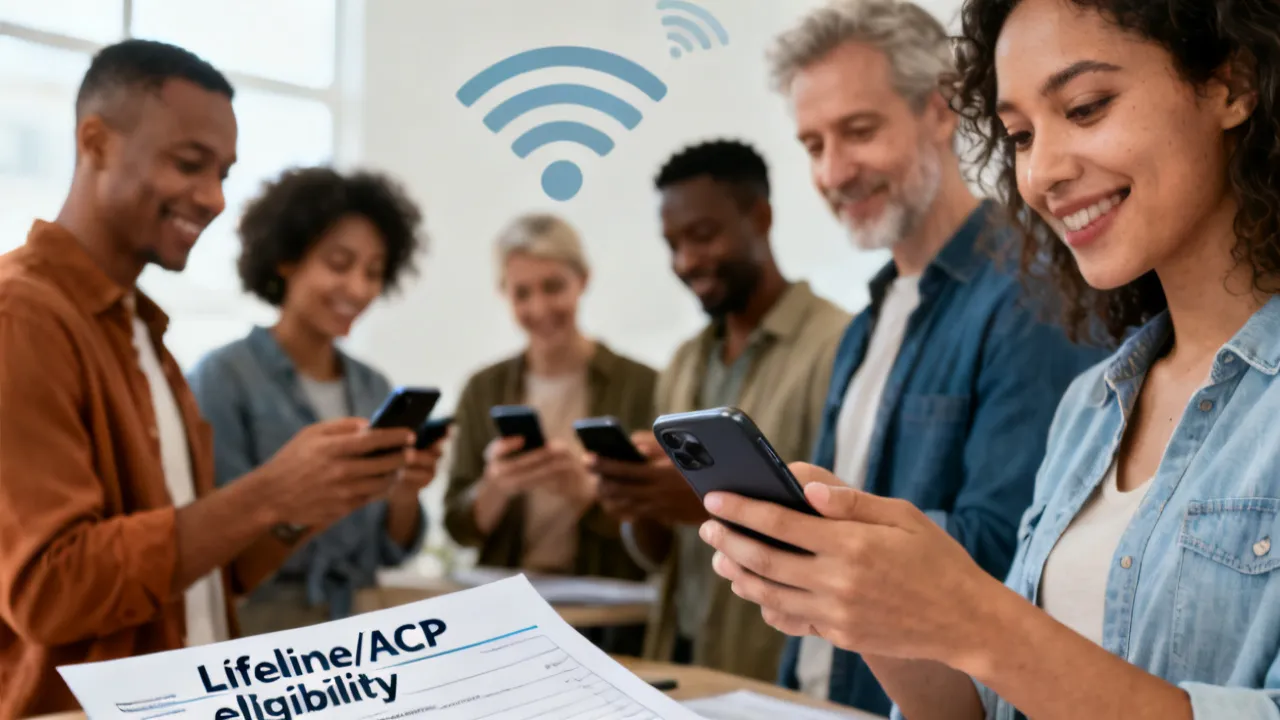
Affordable Phone Programs: Unlimited Connectivity Explained
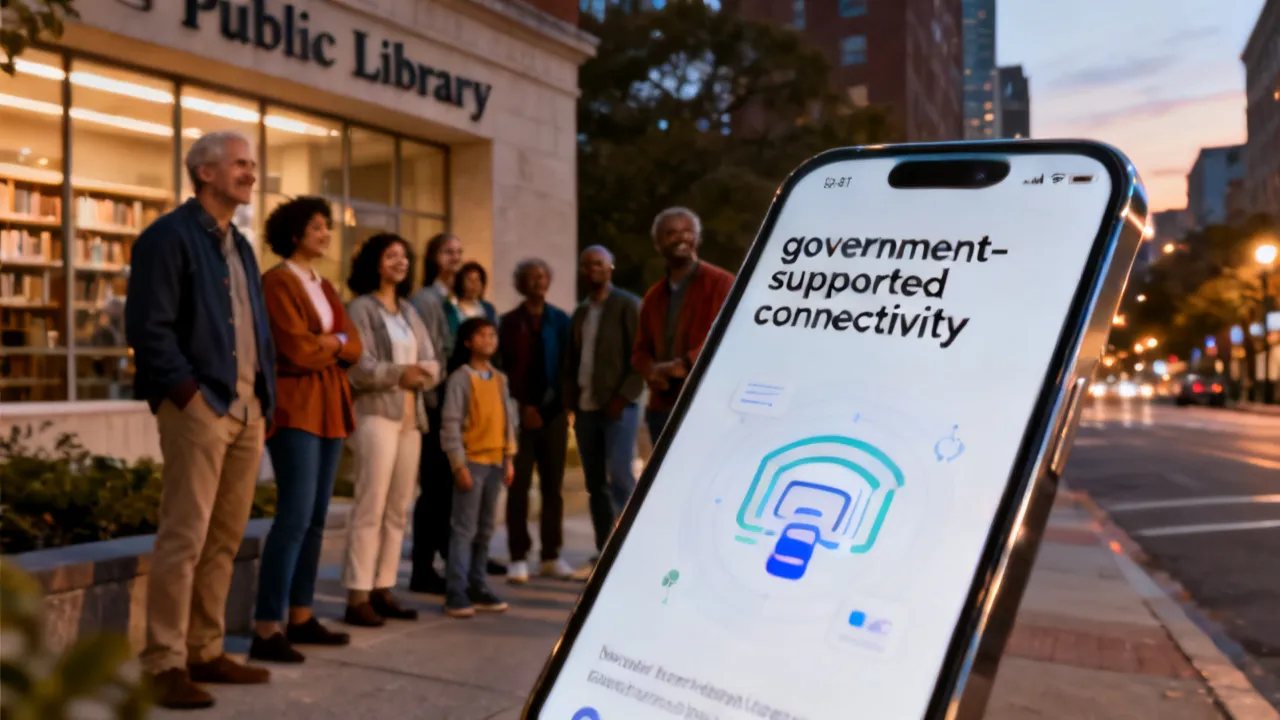
This guide explains how government-supported phone programs provide connected life through “unlimited everything” plans and qualifying eligibility. It reviews major providers that support eligible households, outlines how to apply, and clarifies what “unlimited” typically means versus plan caps, device options, and optional add-ons—objectively and with a focus on practical compliance steps.
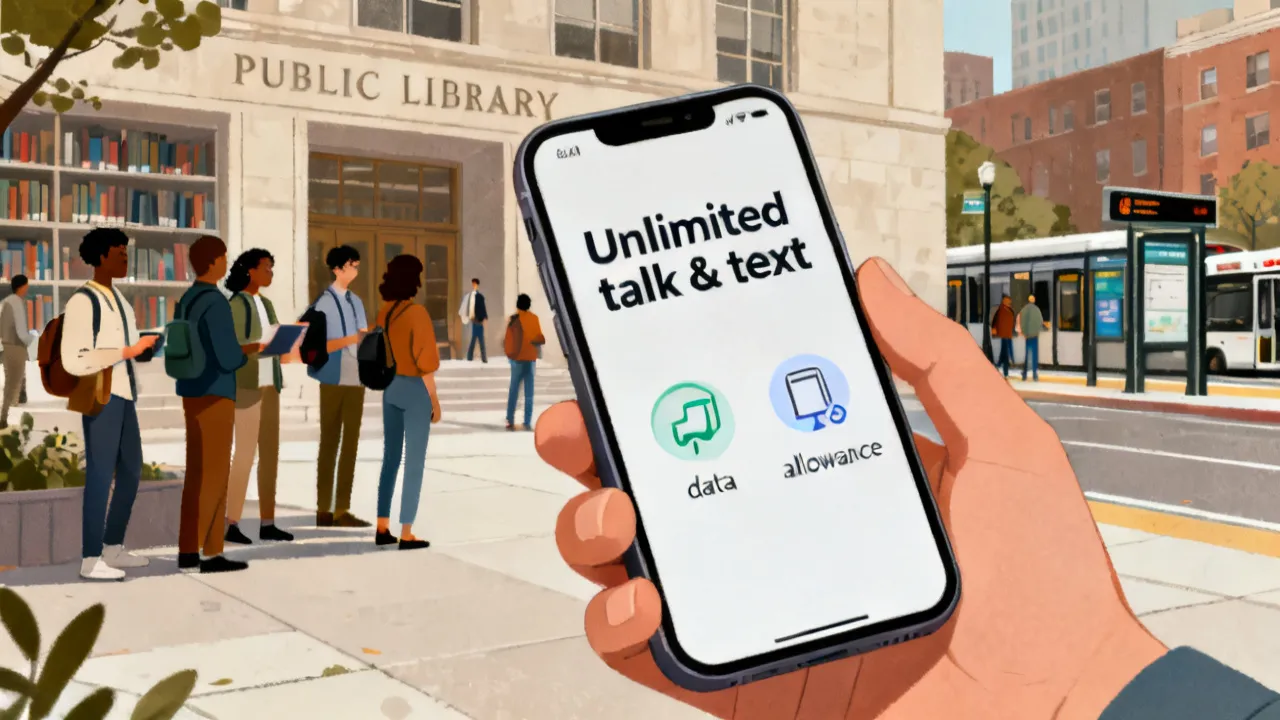
Key Takeaway: How “Unlimited Connectivity” Works in Government Phone Programs
If you’re searching for Affordable Phones with Unlimited Everything, it’s essential to understand how these offerings typically work when delivered through government-supported wireless programs—most commonly associated with Lifeline and, in some cases, the Affordable Connectivity Program (ACP) (where still applicable or where a comparable framework exists in your area). Many shoppers see “unlimited connectivity” and assume it means unlimited talk, text, and high-speed data with no practical limits. In reality, the term “unlimited” in these programs often reflects unlimited talk and text very consistently, while data is usually handled differently—often as a specific allowance of high-speed data, followed by slower speeds (throttling) and/or restrictions once you reach a threshold.
From an industry perspective, the top way to avoid confusion is to treat these services as eligibility-based plans that come with defined terms, specific device options (either an affordable phone provided by the program or a bring-your-own-device (BYOD) option), and sometimes optional paid upgrades. In other words, the most accurate mental model is: “government support makes wireless service affordable for eligible households,” not “every part of the plan is truly unlimited in the way mainstream unlimited plans are marketed.”
To make this clear, it helps to understand that wireless carriers operate on network capacity constraints. Even when the carrier waives monthly service costs through subsidies, it still has to manage how much high-speed data each plan consumes. As a result, many plans use a combination of unlimited voice and messaging plus structured data usage rules to keep the service sustainable.
With that foundation, the rest of this guide expands on how you can evaluate plan promises, what to expect during enrollment, and what to check so you don’t get surprised later by device limitations, data behavior, or upgrade fees.
Why These Programs Exist (Objective Background)
Wireless service is now a core channel for modern life. It’s used for employment applications, school updates, appointment reminders, banking notifications, and emergency contact. It also plays a role in completing government and healthcare tasks that rely on verification codes and secure messaging.
Because of this, the United States created subsidy programs designed to reduce affordability barriers for eligible households. These programs help ensure that low-income individuals and families can maintain connectivity to participate in society and access services. Without subsidized wireless, many households would struggle to pay for service plans, and some would go without reliable phone access—creating challenges both for individuals and for service systems that expect mobile availability.
Providers participating in these programs generally offer discounted monthly service and may also provide a device. Eligibility is usually tied to income thresholds and/or participation in government assistance programs. However, plan availability, device inventory, and specific terms can vary by state, by provider, and by time period. For that reason, applicants should rely on the provider’s latest terms during enrollment rather than assuming a past plan design still applies.
From a practical standpoint, these programs also exist because wireless is no longer a “nice to have.” It’s essential for two-factor authentication, job scheduling, and communication with service providers. Subsidies therefore reduce digital and communication inequality and improve access to opportunities.
Overview: Providers Often Market “Unlimited Everything” Differently
When consumers encounter phrases like Affordable Phones with Unlimited Everything, marketing language may compress multiple plan components into one headline message. In practice, what you typically see is a set of different rules applied to voice, text, and data.
For most participating plans, you will usually see:
- Unlimited talk and text (very consistent across participating plans)
- Data allowances that may include limited high-speed data plus possible throttling after usage
- Device options (an affordable smartphone on qualifying plans, or BYOD—bring your own device)
- Optional paid upgrades (premium devices, additional data, international calling, or faster tiers)
One reason this can be confusing is that different people use “unlimited” differently. Some shoppers hear “unlimited data” and interpret it like consumer broadband: “I can stream and browse without any speed changes.” But in many program-supported plans, “unlimited” does not mean “unlimited high-speed data.” Instead, it means that you can continue using data, but the speed or prioritization may change after you hit an allowance. That difference matters if you stream video, attend video calls, upload large attachments, or browse many media-heavy pages.
It’s also helpful to know that providers sometimes add performance management rules that are not always highlighted in short ad copy. For example, plans may define data as “unlimited” at a baseline speed or after a threshold, but still use traffic management practices. Network conditions in your area can further influence actual experience.
Therefore, you should treat “unlimited everything” as a starting point that requires follow-up questions in plan details:
- What exactly is unlimited?
- What counts toward data usage?
- When does throttling happen and to what speed?
- Is there a monthly hard cap?
- Are certain activities restricted?
- Are add-ons available, and what do they cost?
Comparison Table: Government Phone Plan Websites & What’s Included
Below is a concise comparison of major participating providers referenced in this guide. Costs and terms can change by state and by individual eligibility outcomes; treat this as a structural snapshot rather than a personalized quote. Always confirm the exact plan you are enrolling in using the provider’s official application pages.
| Provider (Official Site) | Government-Supported Plan Components | Potential Additional Package Costs |
|---|---|---|
| SafeLink Wireless | Affordable or BYOD device option, unlimited talk/text, and data allowances (plan terms can vary) | Premium device upgrades and/or extra data may require payment |
| Assurance Wireless | Affordable Android device option, unlimited talk/text, and data allowances | Optional upgrades such as additional high-speed data or certain calling features |
| StandUp Wireless | Affordable smartphone or BYOD option, unlimited talk/text, and data plans | Premium phone upgrades and/or extra data may cost extra |
| Access Wireless | Unlimited voice and text, with limited high-speed data as part of participating benefits | Data boosts and device upgrades may incur fees |
| True Wireless | Government-supported phone and service including voice and data plans (terms depend on eligibility) | Optional upgrades for better devices or additional data packages |
Source websites for the comparison above (information source):
source: [www.safelinkwireless.com](www.safelinkwireless.com) | source: [www.assurancewireless.com](www.assurancewireless.com) | source: [standupwireless.com](standupwireless.com) | source: [www.accesswireless.com](www.accesswireless.com) | source: [www.gotruewireless.com](www.gotruewireless.com)
While the table above focuses on “what’s typically included,” it’s also important to highlight that each provider can have multiple plan tiers, promotions, and fulfillment workflows. That’s why it’s worth reading not just the promotional banner, but the plan terms and the device selection notes inside the application flow.
In addition, two applicants with the same program eligibility might experience different outcomes. For instance, one might receive an included smartphone model and another might be directed to BYOD. Device availability can change quickly, and some providers may offer a range of models that differ in screen size, processing speed, battery capacity, and storage. These device differences can impact how “fast” your experience feels even before the network throttling rules kick in.
Eligibility and Requirements: What You Typically Need (Conditions)
To be considered for a government-supported wireless plan (including offers that align with the “unlimited connectivity” promise), providers generally look for one or more eligibility pathways. In practice, this usually means confirming that your household meets income requirements or that you participate in a qualifying government assistance program.
Common Eligibility Criteria Across Providers
- Income-based eligibility: often tied to federal poverty guidelines (for example, Lifeline is commonly associated with up to 135% of the federal poverty guidelines, while other assistance may apply to higher thresholds such as 200%).
- Program participation: enrollment in qualifying programs such as Medicaid, SNAP, SSI, or FPHA.
- Tribal lands (where applicable): some programs may provide additional benefits for eligible applicants residing on qualifying tribal lands.
These criteria matter because they determine what documentation you need and how verification is performed. Some providers also use automated or semi-automated systems to verify participation, while others may request uploads or mailing of documents. The specific process can differ, but the overall intent is to confirm eligibility reliably and fairly.
It’s also worth noting that eligibility rules can shift over time as federal programs are updated. Even if the general pathways remain the same, the thresholds, verification methods, and program names may be updated. Therefore, it’s always best to check the provider’s current enrollment instructions during your application.
Device and Service Expectations (What “Affordable” Usually Means)
While consumers often search for “affordable phone” outcomes, in many cases the “phone included” portion depends on multiple factors. These factors typically include:
- Your eligibility verification result
- Whether your chosen plan offers a device
- Device availability at the time of fulfillment
- Your willingness to accept plan terms and any shipping or processing requirements
“Affordable” can mean different things across providers. It can mean that your monthly plan cost is reduced for qualified households, and in some cases it can also mean the carrier supplies a low-cost device. However, if you want a specific model (for example, a large-storage phone suitable for heavy app use), you may need to choose a provider option that includes an upgraded device or accept a “standard” device model that comes with the program.
Another factor many people overlook is that the device and plan terms often come as a package. That package may affect how you set up the phone (carrier settings, activation steps, and provisioning). Even if you already own a compatible device, the setup process and activation timeline still matter because a phone that isn’t properly provisioned can prevent calls, text messaging, and data access.
If you have existing apps, you’ll also want to consider backup/restore steps before switching phones. For example:
- Back up contacts, photos, and files to your preferred cloud service or computer.
- Verify you can receive SMS messages or call forwarding to maintain access to verification codes.
- Check whether your banking or employment accounts rely on SMS-based authentication or require device-based approval.
These practical steps reduce friction when you transition to a subsidized plan.
How to Apply: Step-by-Step Enrollment Workflow
From an operational standpoint, the enrollment journey usually follows a predictable pattern: confirm eligibility, submit application details, upload documentation (if requested), and wait for verification and device/service provisioning.
However, the timeline can vary widely. Some applicants are verified quickly, especially when they can confirm program participation through automated systems. Others may need to submit documents for manual review. In addition, device shipping and activation can take time depending on inventory and delivery location.
Therefore, it’s helpful to plan ahead:
- Apply when you can monitor email or phone status for follow-up requests.
- Keep documentation accessible.
- Be prepared for a possible “pending” status until verification completes.
- If you’re switching from another carrier, understand how to port your number if needed.
Step-by-Step Guide (Typical Application Flow)
Below is a typical application flow. Exact wording and required documents may vary by provider:
- Choose a provider program: Compare participating carriers and plan structures on their official websites.
- Confirm your eligibility route: Determine whether you qualify by income or through an assistance program such as Medicaid, SNAP, SSI, or FPHA.
- Prepare documentation: Many applications request evidence of participation or household income details. Keep documents ready before you start.
- Complete the online application: Very providers accept online submissions and may require fields like household information and contact details.
- Upload proofs when prompted: Some providers ask you to upload eligibility documentation or supporting verification materials.
- Select a service path: Choose whether you want a provided smartphone or to use your own compatible device (BYOD), when available.
- Await verification and provisioning: After eligibility is confirmed, the provider processes service activation and—if applicable—device delivery.
In many cases, your online application will include a mixture of form questions and compliance confirmations. Pay attention to how information is displayed. Minor mistakes—like mismatched names, incorrect addresses, or incomplete documentation—can lead to delays.
Also, remember that some providers may ask you to confirm your consent for verification. That consent may include authorization to check eligibility status. It’s normal to see a consent statement as part of compliance workflows.
Provider-Specific Notes (Rephrased in Practical Terms)
While exact steps vary by provider, the following practical summaries reflect the commonly described enrollment approach for each program:
- SafeLink Wireless: typically uses online applications and requires proof of eligibility; options can include a affordable smartphone or using your own compatible device; service typically includes unlimited talk/text plus data allowances.
- Assurance Wireless: commonly provides a affordable Android smartphone and offers unlimited talk/text with data allowances; enrollment may occur online and may involve verification pathways.
- StandUp Wireless: offers either a affordable smartphone or a BYOD option and usually requests online application details with required documents for eligibility verification.
- Access Wireless: typically combines unlimited voice and text with limited high-speed data within program benefits; online form submission and document upload steps are commonly described.
- True Wireless: provides government-supported phones and service; applications can be submitted online or supported by customer assistance for eligible applicants.
Because device fulfillment is subject to availability, it’s smart to treat your first choice model as tentative. If you need a phone urgently, consider choosing a provider option that offers faster processing or selecting BYOD if it’s available and your device is compatible. If you’re relying on the phone for urgent job or medical communications, you can also plan how you will stay connected while your phone is being provisioned (for example, keeping access to Wi-Fi calling if you have an alternative internet connection).
Expert Perspective: How to Evaluate “Unlimited Everything” Without Getting Misled
As an industry observer, I recommend evaluating three layers of the plan—service terms, device terms, and upgrade terms—rather than relying only on one marketing headline. This approach helps you spot differences in “unlimited” wording, understand how data behaves in real usage, and plan your budget for any optional add-ons.
1) Service Terms (Unlimited Talk/Text vs. Data Behavior)
To evaluate whether “unlimited connectivity” matches your needs, break down the service into parts. The biggest mismatch usually appears in the data portion.
- Talk and text: If your plan says unlimited, verify that “unlimited” refers to calling and texting usage categories, not only specific types (for example, domestic calls vs. international calls).
- Data: “Unlimited everything” phrasing can obscure whether data is unlimited at full speeds, capped at a certain usage amount, or limited to a high-speed allowance with reduced speeds later. Check for language like “high-speed data” or “after X GB speeds may slow.”
- Speed and coverage: Wireless performance can vary by location and network conditions. Program eligibility does not change the reality of local network congestion, signal strength, and coverage gaps. However, your device model and network compatibility can still influence performance.
Also consider how the plan counts usage. Many carriers count data based on network measurements, and certain actions—like downloading app updates, streaming video, or using hotspot—can consume data quickly. Even if data remains “unlimited” in theory, your practical experience might change depending on throttling and usage measurement rules.
If you rely on connectivity for work, you can approximate your monthly data usage. For instance:
- Streaming music (audio): usually lower data than streaming video.
- Streaming video: can consume large amounts per hour.
- Video calls: can range widely depending on resolution and network quality.
- Social media browsing: varies depending on media auto-play and image/video loads.
- Large downloads (apps, system updates): can spike usage quickly.
Once you estimate your data needs, compare the plan’s high-speed allowance and throttling policy to your usage pattern.
2) Device Terms (Affordable Phone vs. BYOD)
Even with the same data allowance, the device can change your real-world experience. Device terms determine what phone you get (if any), its capabilities, and how smoothly it supports your apps.
- Affordable phone availability: If you want a provided smartphone, understand that inventory and fulfillment timelines may affect delivery. The model you receive may not match the exact brand or spec you imagined.
- BYOD compatibility: If you plan to use your own device, the provider will generally require compatibility and network support. Confirm compatibility before submitting. Some providers require that the device be unlocked and compatible with the network bands they use.
Beyond compatibility, consider practical device readiness:
- Battery health: Older devices may have battery wear that impacts longevity.
- Storage space: Apps and updates can be large. A low-storage device can feel slow even if the network is acceptable.
- Operating system support: If your phone is too old to receive updates, certain apps may stop working or become unstable.
- Screen quality: For reading, health portals, or school assignments, screen readability matters.
If you’re choosing between a program-provided “standard” device and your own device, compare both in terms of functionality for your top use cases: messaging, email, browsing, maps/navigation, document upload, and any app-specific needs.
3) Optional Paid Upgrades (Budget Planning)
Many carriers offer optional paid upgrades that can improve user experience but also affect total monthly cost. These upgrades may include better devices, higher data speed tiers, international calling, or additional features.
- Premium devices: If you choose a higher-end smartphone than the standard program option, costs may apply. Understand whether that cost is a one-time payment, a financing arrangement, or an added monthly charge.
- Additional data: Some plans allow purchase of add-ons or “data boosts.” If your use is heavy (video streaming, large uploads, frequent navigation), ask how add-on pricing works and whether boosts restore high-speed data or simply increase baseline allowance.
- International calling or extra features: These are often optional rather than core inclusions. If you need frequent international communication, read the terms carefully before assuming it’s built in.
Budget planning is especially important because “affordable” doesn’t always mean “zero extra cost.” Even if the base plan is subsidized, you may still spend money on upgrades if your usage exceeds the plan allowance or if you want a better device or feature set.
In your evaluation, look for:
- The cost of data boosts (and what speed/usage they restore)
- Whether upgrades require credit card or automated payments
- Whether you can buy upgrades online or through customer support
- Any limitations on how often upgrades can be purchased
FAQs About Government Phone Programs and Unlimited Plans
FAQ 1: Do government-supported phone plans really include “unlimited everything”?
Many plans advertise “unlimited” service, but the very consistent portion is typically unlimited talk and text. Data often comes with an allowance or speed rules that may change after usage. Always confirm the plan terms in your selected provider’s current offer. If a plan says “unlimited data,” it may still mean “unlimited usage” with an allowance for high-speed performance.
In practice, the best way to evaluate “unlimited everything” is to find the line that describes data speed after threshold. If the plan does not clearly explain the post-allowance behavior, you can ask customer support for a written summary or look for the provider’s policy details in the program’s terms.
FAQ 2: Can I get a affordable smartphone if I already have a phone?
Often, yes—some programs provide a affordable smartphone, while others also support bring-your-own-device (BYOD) for eligible applicants. If you want to keep your device, verify compatibility with the provider’s network requirements before applying. Also consider whether your phone is unlocked and whether it can be activated on the provider’s network.
Even if BYOD is allowed, some users prefer to accept a program device because it can simplify activation and ensure full compatibility with the provider’s provisioning process. On the other hand, if your existing phone is reliable and more powerful, BYOD may provide a better overall experience—especially if you need performance for apps or navigation.
FAQ 3: How do I apply for a government affordable phone program?
Very providers offer online applications. You’ll typically verify eligibility using income documentation or proof of participation in qualifying assistance programs. After submission, you may be asked to upload supporting documents and then wait for verification and provisioning. If the application is missing required details, it may return with follow-up questions or require additional uploads.
To reduce delays, make sure you have:
- Your identification information as requested by the application
- Documentation of program participation or household income (if required)
- A current address and contact method to receive follow-ups
FAQ 4: What programs usually qualify for eligibility?
Eligibility frequently includes participation in programs such as Medicaid, SNAP, SSI, or FPHA. Some applicants qualify via income thresholds aligned with the program’s poverty guideline rules.
Because eligibility can depend on household composition and specific program rules, you should check the provider’s eligibility checker if available. If you’re unsure whether you qualify, the safest approach is to apply or use provider guidance rather than guessing, because small differences in household circumstances can affect approval.
FAQ 5: Are there extra costs beyond the government-supported service?
Yes, sometimes. Many plans offer the core benefit at reduced cost or at low price for eligible applicants, but additional charges may apply for premium device upgrades, extra data packages, or optional features such as certain calling add-ons.
Extra costs can also appear indirectly if you choose accessories (like a protective case or screen protector) or if you need assistance setting up an account. If your phone is provided, you might also need to purchase a charging cable or other items if they’re not included. These aren’t always mentioned in the ad copy, so reviewing the “what’s included” section is helpful.
FAQ 6: Will I definitely receive the phone after I apply?
No program can guarantee approval to every applicant. Eligibility must be verified, and device availability may vary. The safest approach is to review the provider’s official requirements and ensure your documentation is complete.
Even after approval, the phone might not be shipped immediately depending on inventory. If you urgently need a device, ask the provider about expected processing time or look for options that expedite activation. If BYOD is available and you have a compatible device, it can help you start service sooner.
Top Practices Before You Submit Your Application
Applying for a government-supported plan can be straightforward, but small errors can lead to delays. Here are best practices that help you avoid common issues.
- Double-check your documents: Missing or mismatched information can delay verification. Make sure names and dates align with your documentation and that scans or photos are readable.
- Apply through the official provider website: Avoid third-party pages that may not reflect current enrollment rules. Third-party sites can also create privacy concerns if they collect information without proper authorization.
- Confirm your service needs: If you rely on high data usage, review data allowance structure and potential add-on options. Don’t just look for the “unlimited” headline—look for high-speed thresholds.
- Plan for device choices: Decide whether you want a provider device or prefer BYOD, and confirm the compatibility and fulfillment process. If BYOD is important, gather information about your device model and confirm it’s allowed.
In addition to these tips, consider connectivity continuity:
- If you are switching from your current carrier, plan a “transition window” where you keep access to the old device long enough to receive verification codes.
- Update accounts gradually. Some services take time to propagate changes when your phone number changes.
- Keep Wi-Fi access available if you need to complete authentication for app sign-ins during the transition.
More on “Unlimited” Data: Understanding Throttling, Prioritization, and Real Usage
Because “unlimited everything” is often where confusion happens, it’s worth expanding on how data experiences can differ from one plan to another. Even when a plan says “unlimited data,” the plan typically defines what you get at different usage stages.
Two users can both have “unlimited data” and still have different outcomes:
- The first user hits the high-speed allowance quickly due to streaming or heavy uploads and then experiences slower speeds.
- The second user uses more messaging and web browsing and stays mostly within the high-speed portion.
When that high-speed portion ends, your experience may be affected by:
- Throttling: speeds may be reduced after you exceed a data allowance.
- Network management: providers may use traffic management practices during congestion.
- Prioritization differences: some plans may prioritize certain traffic over others.
Even if throttling is described only briefly in marketing text, the details are usually explained in the provider’s plan terms. To avoid surprises, look specifically for the clause that describes “high-speed data” and any “after usage” language. If the plan includes a data allowance measured in GB, ask yourself: how many GB will your usage likely consume?
You don’t need to be perfect—just estimate. Many people can approximate using their previous billing data. If you have a past phone plan, check your average monthly data consumption and compare it to the plan’s “high-speed data” allowance.
If you do not have access to past usage, consider your likely habits. For example:
- If you mostly text and call, and you use data lightly for maps and occasional browsing, you may be fine with a plan that has limited high-speed data.
- If you stream video frequently or rely on data-heavy apps all day, you may quickly reach the threshold and need data boosts or a plan with a higher high-speed allowance.
This is why “unlimited everything” is not one-size-fits-all. Your use case determines whether the plan’s data structure feels unlimited or restrictive.
Device Choice Deep Dive: How Phone Capabilities Affect Your Connectivity Experience
In government phone programs, the device you receive (or bring) can strongly influence how well you can use the plan’s features. This includes not only speed, but also compatibility with networks and reliability of app performance.
When evaluating a program phone option, pay attention to:
- Processor performance: affects app responsiveness, map navigation, and multitasking.
- RAM and storage: determines how smoothly multiple apps run and how many apps can be installed without constant cleanup.
- Operating system version: affects security updates and compatibility with modern apps.
- Camera quality: matters for job applications, document uploads, and telehealth tasks.
- Battery capacity and efficiency: influences whether you can make it through a day of browsing and calls.
For many applicants, these details are not fully shown in a single banner advertisement. Instead, they may appear during the device selection step of the application or in terms that list the eligible devices. If you care about a certain capability—like good camera quality for submitting identification documents—make sure you can see the device’s basic specs or ask customer support what model you would receive.
If you use BYOD, the evaluation should shift to your phone’s age and technical status:
- Is it still updated and supported?
- Does it have enough storage to handle app downloads and system updates?
- Is the battery in good health?
- Is your phone compatible with the provider’s network technology?
Sometimes, a user can have a phone that is “compatible” for voice and text but not fully compatible for data or advanced features if it lacks certain network support. Checking compatibility before applying helps prevent a scenario where activation succeeds but data experience is limited or unstable.
Understanding BYOD Compatibility: What to Verify Before Choosing Your Own Device
BYOD is appealing because it can help you keep a familiar phone. But compatibility requirements are crucial. Because each carrier may use different network technologies and frequency bands, a device that works on one network might not work fully on another.
Before choosing BYOD, verify:
- Unlocked status: many carriers require your device to be unlocked.
- Model eligibility: some programs may require specific compatible phone models.
- Network technology: your device must support the relevant 4G/5G or LTE bands (depending on the carrier).
- Activation method: confirm whether the provider uses an IMEI check, SIM-based activation, or electronic provisioning.
Even if you believe your phone is compatible, a quick confirmation during application reduces the risk of delays. If a provider rejects your device as incompatible, you might have to switch to a program device option or choose another plan route.
Budget Planning: Managing Potential Upgrade Fees and Data Boost Costs
Many people enroll expecting the subsidized plan to cover all their needs with no additional purchases. In some cases, that is true. But because data and device needs vary, you may want to understand potential costs in advance.
Potential upgrade costs may include:
- Paid device upgrades (higher-spec phones)
- Additional high-speed data boosts
- Accessories (if not included with the phone)
- Optional feature add-ons
To plan realistically, consider your likely “worst month.” For example, if you have a month where you must upload forms for school or work, attend more video meetings, or take more photos and videos, your data usage can spike. A plan that feels fine most months might become slower during your high-usage period.
If the provider offers data boosts, find out:
- How to purchase them (online, app, or by phone)
- How quickly they activate
- Whether boosts restore full high-speed data or a limited increment
- The unit price per boost and frequency limits
Having this information helps you avoid being “stuck” at reduced speeds when you need better performance urgently. It also helps you maintain a predictable budget rather than reacting after the fact.
Application Success: Reducing Delays and Avoiding Common Errors
A major source of frustration for applicants is delays caused by document issues or incorrect form submissions. A plan may not be denied due to lack of eligibility; instead, it can be delayed because verification is incomplete.
To improve success rates, watch for common errors such as:
- Uploading documents that are not readable (blurred or incomplete)
- Using outdated personal information (name mismatches, old address)
- Applying more than once or creating duplicate profiles
- Missing required fields in the online application
- Not responding to follow-up requests promptly
If you receive a status update that requests additional information, treat it as time-sensitive. Many verification workflows have deadlines. Prompt responses help prevent extended “pending” states.
Also pay attention to whether you need to port a phone number. Number porting can be critical if your accounts rely on a stable phone number. If porting is delayed, you might miss SMS authentication. Make sure you understand the provider’s porting instructions and timeline before switching.
What to Expect After Approval: Activation, Shipping, and Setup
After approval, the carrier typically proceeds with activation and, if requested, device fulfillment. The process usually includes:
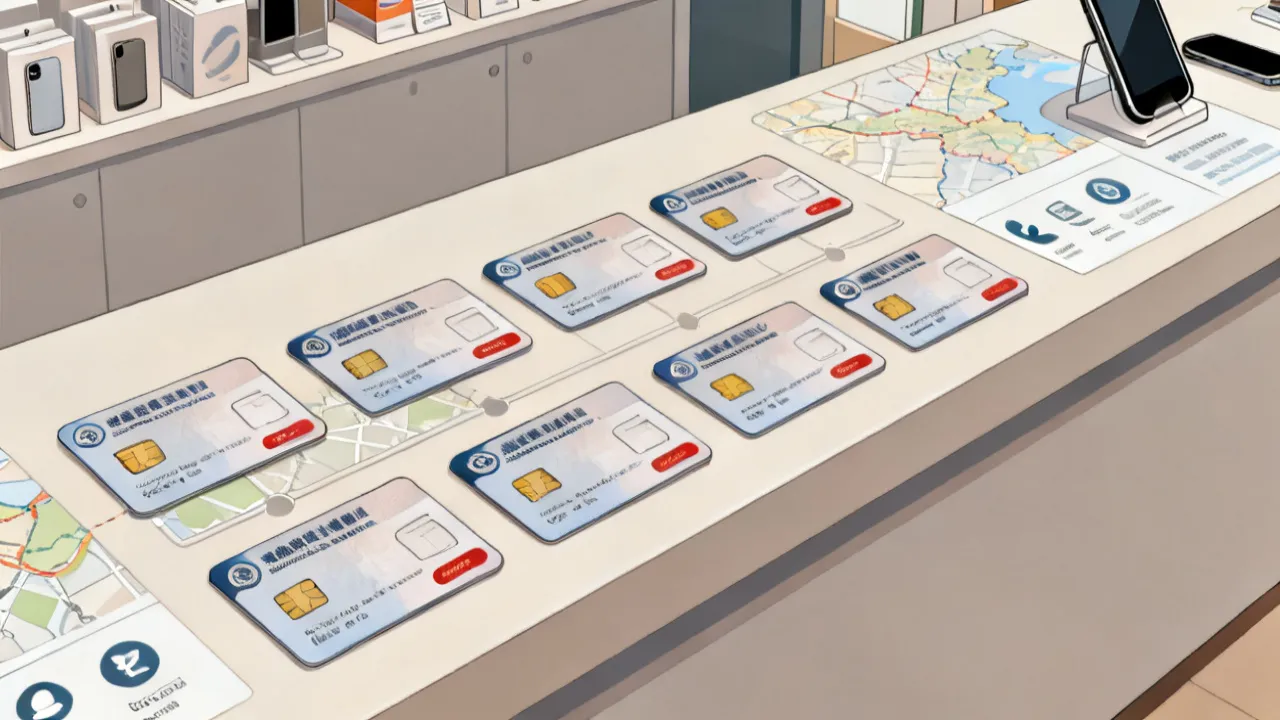
- Service activation: provisioning the SIM/eSIM and enabling voice/text/data.
- Device shipment (if applicable): sending the phone to the address provided.
- Setup instructions: guidance for first-time activation, Wi-Fi setup, and account configuration.
During setup, you may be required to:
- Insert a SIM card (if physical SIM is used)
- Complete network activation steps on the phone
- Confirm emergency calling settings
- Sign in to your phone’s app ecosystem (Google/Apple)
If you receive a new device, you will also need to restore your apps and data. This process can be quick if you have cloud backups. If you don’t, it may take longer to transfer files and contacts. Planning for device setup reduces the chance of being without full service when you need it.
Disclaimers and Source Transparency
Disclaimer: (1) The above information comes from online resources, and the data is as of October 2023. (2) This website cannot guarantee that applicants will definitely get a government affordable phone. For specific application requirements and how to obtain it, please refer to the official requirements of the provider. This website will not be updated in real time.
Because policies and offerings can evolve, always treat the provider’s official website and application terms as the authoritative source at the time you apply.